

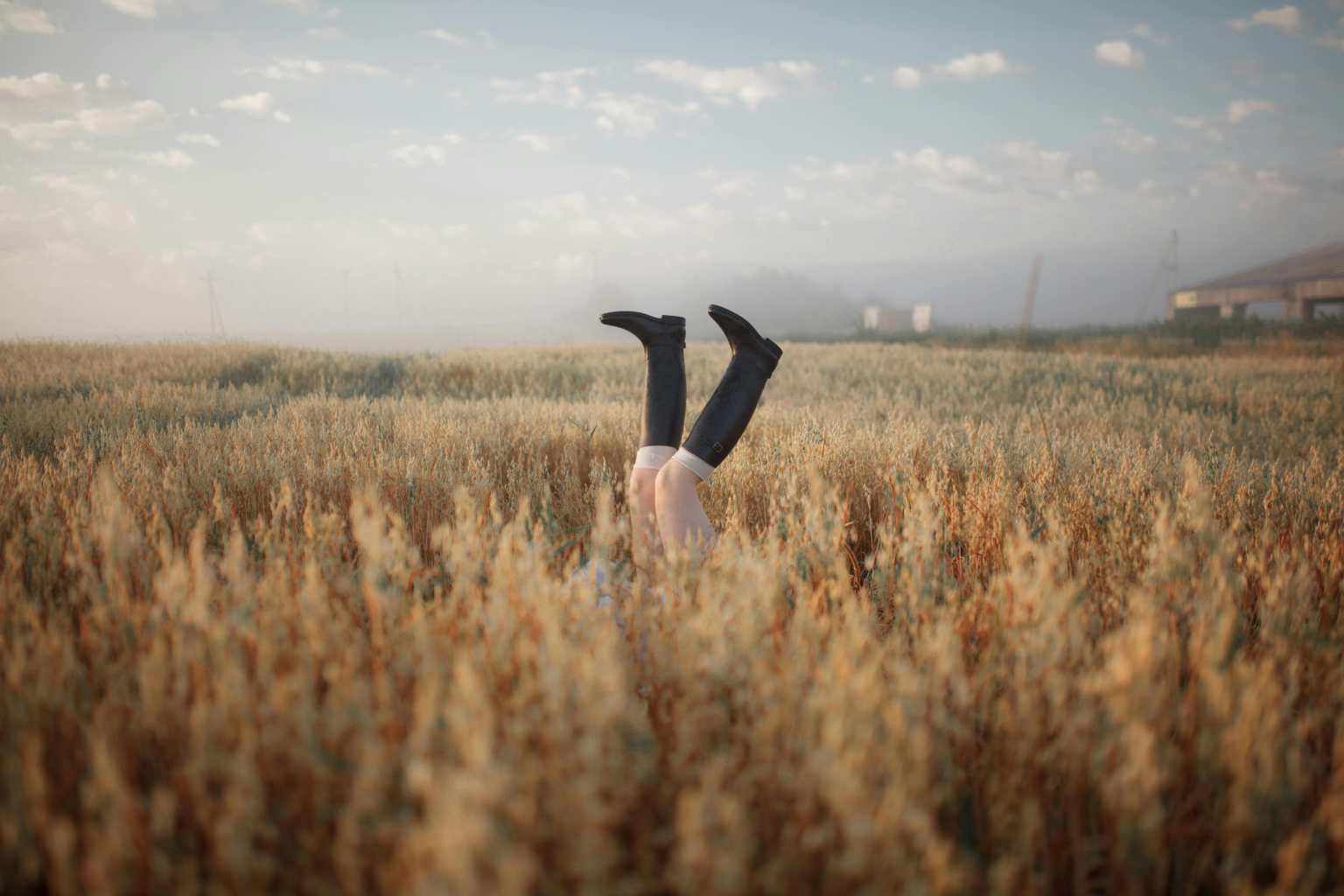
“There is but one truly serious philosophical problem, and that is suicide.” Camus’ words struck me years after my parents had died, one of a heart attack and the other of cancer, leaving me not only orphaned but homeless, since the rented house we lived in vanished with them. I ended up in my uncle’s home, a guest in my own life, and for years I drifted in a depression that felt less like an event and more like a permanent climate.
It was there, in that suspended time, that I began to read. Camus gave me the blunt clarity of The Stranger, where indifference itself seemed to become a form of truth. But Sartre’s Nausea shook me deeper. Suddenly, even ordinary objects seemed overexposed, unbearable in their raw existence. The book named the unease that already consumed me: nihilism. It was not a theory to puzzle over in classrooms; it was the texture of my days, the heaviness of hours that refused to move.
To overcome nihilism, I would learn, was not about seeking a grand solution, but about staying present with its starkness, long enough to notice how even within the void, life continued to offer its small, stubborn gestures of survival.
What Nihilism Really Is
I used to think nihilism meant a teenager in eyeliner saying, “Nothing matters,” before storming out of a room. That cliché is easy to laugh at. The real version is different. It arrives quietly, like a shrug that spreads through your whole body. It is the moment when even brushing your teeth feels optional, because you cannot see the point.
Existential nihilism is the name for this: the suspicion that life has no built-in script, no fundamental meaning. It differs from political nihilism, which simply rejects governments and traditions, or moral nihilism, which denies fixed values. This one is personal, the kind that creeps into your mornings and makes you wonder why you should get out of bed.
The abyss is old territory for writers, though it never stops feeling raw. In Notes from Underground, I recognised myself, because Dostoevsky understood how a life soaked in cynicism eventually grinds to a halt. Sartre put language to the suffocating presence of existence in Nausea. Camus, with his sharp grin, insisted in The Myth of Sisyphus that rebellion itself could be a form of meaning.
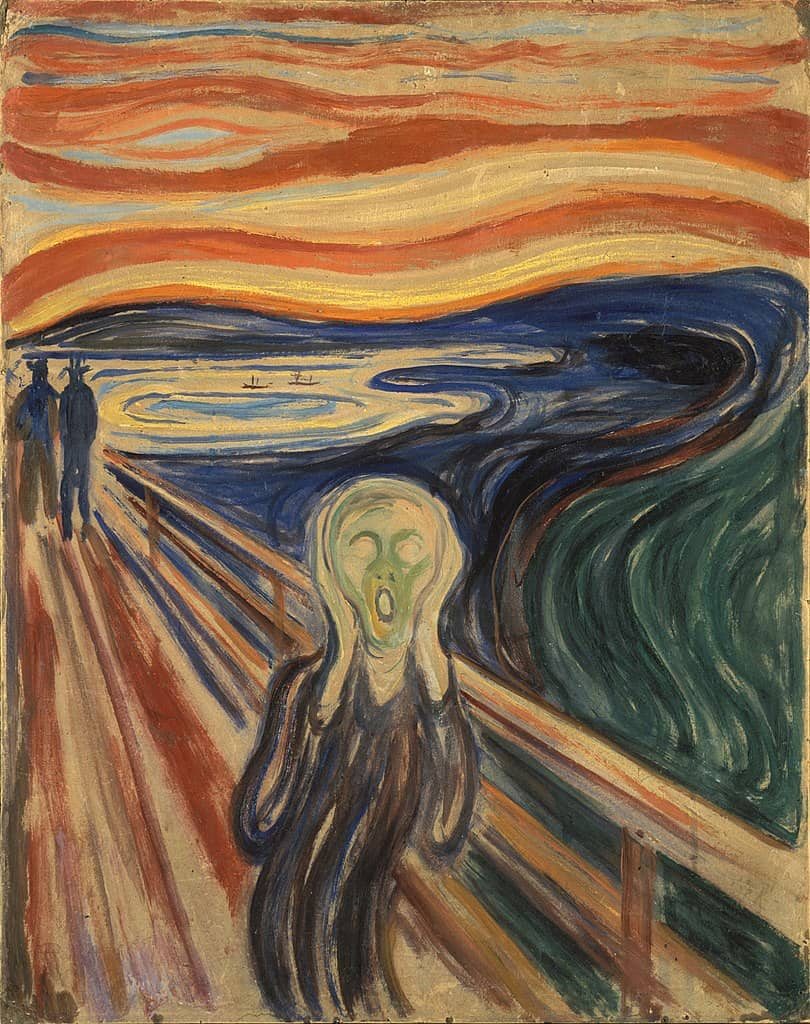
Writers have circled the abyss for centuries, but painters have captured it too. Edvard Munch’s The Scream has become a shorthand for existential dread, a face twisted by the weight of emptiness. It is not just personal anguish; it is the cry of standing before a universe that refuses to answer back.
Even films cannot resist it. Fight Club promised liberation through destruction, while The Matrix suggested our world is a lie. Both admit the same suspicion: what if the lives we are living are hollow sets with no foundation? That suspicion is the door through which nihilism enters, and the real challenge is how to overcome nihilism without collapsing entirely into its silence.
RELATED READING: 9 Signs You Are Settling In A Relationship
8 Ways To Overcome Nihilism And End Despair
I wish I could pretend there was a map, some neat line of reasoning that explains how you crawl back from meaninglessness. There is not. What I found instead were scattered moments that stitched themselves together into a kind of survival guide. There are fewer revelations and more accidents, but eight of them stayed with me, and maybe they can be borrowed.
1. Sit with the void without running
The first accident was learning to stop. For years, I treated silence like a predator, drowning it with work, alcohol, or endless scrolling. Camus’s absurd hero keeps rolling his stone, but before the strength, there is surrender: admitting you cannot outrun emptiness. The first time I sat with it, I thought I might go mad. Instead, I discovered the void loses its teeth once you stop thrashing. That was my beginning to overcome nihilism.
2. Turn small rituals into anchors
The void is loudest when every day feels shapeless. What helped me most were tiny habits, so minor they seemed absurd at first. Brewing coffee slowly enough to watch the steam rise, walking the same uneven street until I knew each crack, jotting stray thoughts in a notebook that no one else would ever read. These were not grand solutions, just small knots in the rope that kept me tied to the hours.
Leonard Cohen once reminded us that broken things let the light through, and Nietzsche’s amor fati offered a way of loving the ordinary instead of waiting for miracles. In a strange reversal, these rituals became what some might call symbols of meaninglessness, but they carried me forward. They whispered that life continues in cups and pages, and sometimes that is enough.
3. Let art break the spell of nothingness
I owe more to novels and films than to any self-help and self-discovery trick. Dostoevsky dragged me down with him, Vonnegut pulled me back up by making the absurd ridiculous, and Synecdoche, New York left me gasping at how much emptiness can still look like a mirror. Music did its part too, not to erase the void but to give it rhythm.
Art does not pretend to cure despair; it sits beside it and says, “Look, this is what it felt like for me.” That strange companionship matters. It showed me how to overcome existential nihilism: not by pretending to be cheerful, but by finding a story or a song that makes the silence crack open for a moment. Even brief relief can be holy. Art taught me that meaning is not always built; sometimes it is borrowed.
4. Rewrite the story with others
One of nihilism’s cruellest tricks is making you believe you are the only one staring into the dark. I once thought the cure was intensity — the kind of collective chaos Fight Club portrayed — but that only turns emptiness into spectacle. The real counterweight is simpler: community in its unglamorous forms.
For me, it arrived through reading groups, and especially JuhuReads, where strangers met to share poems and paragraphs until the words themselves stitched us together. Nothing dramatic happened, yet the atmosphere shifted. Stories that felt heavy in silence felt lighter in a circle.
What emerged was not a grand philosophy but a sense of continuity, a reminder that despair is never fully private. That was my path toward finding purpose after nihilism: learning that meaning does not need to be invented alone; it can be carried together.
RELATED READING: How To Stop Obsessing Over Regrets And Move Forward
5. Reclaim the body from abstraction
The void makes you forget you have a body. For years, I lived as if I were only thoughts, circling endlessly, until I learned that despair softens when you return to movement. I started small.
- Walking in the evening until I knew the shape of the shadows on my street
- Stretching on the floor until my breath slowed
- Cooking simple meals, letting scent and taste bring me back
- Gardening, where soil and green shoots gave me proof of renewal
These were not heroic acts, but they worked because they were physical. Buddhism teaches that awareness begins with breath, and Ghibli films remind us how gestures like eating or cleaning can shimmer with life. To overcome nihilism, I had to reclaim the body from abstraction, to let muscles and senses write their own reasons for staying here.
6. Play, mock, laugh at the abyss
Sometimes the bravest stance against despair is comic. When Vonnegut wrote about the absurd, he laced it with humour sharp enough to make tragedy wobble. When I watched The Big Lebowski, I realised that the Dude’s refusal to take life too seriously was its own form of philosophy.
Play is underrated. I began to exaggerate my darkest fears until they sounded ridiculous, to mock the voice in my head that wanted solemn silence. It worked because absurdity can disarm what seriousness cannot. If you are wondering how to overcome nihilism, consider laughter not as escape but as resistance.
Even a bad joke or a playful gesture unsettles the void, reminding it that you are not an obedient audience. Sometimes the best answer to nothingness is to make it laugh first.
7. Dare to love without guarantees
There is no contract that promises love will last, which is why it feels like the most reckless rebellion we can make. Dostoevsky wrote about “active love,” the kind that works through boredom and conflict rather than floating in dreams, and that honesty made sense to me.
The Matrix carries the same lesson in mythic form: Neo chooses Trinity, not because he understands the universe, but because he cannot do otherwise. Love like that will not solve despair, but it changes its texture. It made me willing to place my bet even when the odds looked cruel.
This is the wager that helped me overcome nihilism, the recognition that love is not about permanence but presence, not about guarantees but about choosing anyway. Meaningless or not, the choice itself becomes its own strange kind of proof.
Let The Abyss Become A Teacher
At some point, the abyss stops being only a threat and starts sounding like a teacher. It shows you fragility, how easily plans collapse, how quickly love can vanish, how uncertain every hour really is. Nietzsche imagined the “eternal return,” the idea that you might live your life again and again exactly as it is, and asked whether you could still say yes to it.
Philosophy has not stopped wrestling with this silence. In an interview, Robert Pippin describes Nietzsche’s warnings about nihilism as less prophecy and more instruction — a way of treating the abyss not as a verdict but as a guide.
Everything Everywhere All At Once posed a similar challenge, scattering lives across universes until even the smallest gesture became precious. I began to see that meaning is not hidden in permanence but in the way we keep choosing despite impermanence. This shift became my way of finding purpose after nihilism: treating the void not as an enemy to defeat, but as a stern instructor reminding me that the fragile is often what matters most.
Conclusion – Turning The Abyss Into A Gateway
I return often to the memory of those first hollow years, the rented home gone, my parents gone, and me drifting through a life that felt unclaimed. Back then, the abyss was not an idea from Nietzsche or Camus; it was the ordinary silence of mornings that seemed impossible to enter. I thought its only role was to swallow me, and for a time I almost let it.
Now I see it differently. The abyss is still there, but it has changed shape. It is no longer only a threat; it has become a doorway. Sitting with it taught me stillness, rituals gave me anchors, art cracked open its spell, and community stitched together the silence. Even love, fragile as it is, became a wager worth making.
I no longer dream of escaping the void. I live beside it, and sometimes even through it, carrying forward the strange, stubborn proof that meaning can be rebuilt in fragments.
FAQs
1. What’s the difference between nihilism and existentialism?
Nihilism is the voice that says, “nothing matters, go back to bed.” Existentialism sits on the same bed and replies, “true, but you still get to choose the sheets.” One ends in paralysis, the other in participation, both staring at the void but only one deciding to build inside it.
2. How do philosophers deal with the meaning crisis?
Nietzsche dared us to love our fate even when it is cruel, Camus turned rebellion into dignity by making Sisyphus smile, Sartre pressed the weight of radical freedom onto every choice, and Frankl showed that even suffering could carry meaning through love. None erased despair, but each transformed it into a companion.
3. Is nihilism ever a good thing?
Sometimes. It clears the stage of broken props. Without it, I might still cling to illusions that deserved to collapse. Taken too far it becomes poison, but in its gentler form, nihilism is a housecleaning, a way of making room for new furniture. I try to treat it that way.
4. Can spirituality help overcome nihilism?
Yes, especially when it moves from doctrine to practice. Buddhism’s breath, Taoism’s rivers, even Ghibli-style attention to food and work remind me that living is physical. For others, prayer or ritual does the same. Spirituality helps when it says, “stand here,” not, “believe this.” That grounded me more than ideas.