

You’ve looked up magical realism in the past before. Sifted through some of the best magical realism books. All you’ve wanted is magic closer to home. Yet, all of these books have left your head spinning. Like mistaking the tip of the iceberg for the iceberg itself. Where is the magic, you ask?
Readers claim that there is a lot of reading between-the-lines with such plots. The magic is strong in the start, but it peters out abruptly and the story is no longer about it. Unpredictability can be validated, but not without cause. I assure you, if you learn to look in the right places (as with fairy doors), the magic is always there.
There are several ways in which one could explain magical realism. The closest explanation I got to this was relating magical realism to the ordinary experience of a 5-year-old in the real world today. Before we get used to running shoes, let us take this chance to understand what we’re getting ourselves into.
What Is Magical Realism?
Broadly, it is understood as the coexistence of clashing worlds of technology and superstition (in Latin America, during the 60s and 70s). That in-between space is what magical realism exists in – a little bit of everyday magic. But when fantastical elements don’t affect the larger plot (as they should), it is bound to cause confusion.
Think slice-of-life, accommodating a relatively small supernatural element. The kind that is treated as common, everyday, magic, which is not emphasized as an “outside” element. When magic becomes matter-of-fact, it is easier to assume the absurd in the light as nothing special. Dream logic takes on a calm, metaphoric role. While the focus is on the ordinary, characters are the most important part of the plot.
It is sometimes difficult to make sense of the world. That’s why the use of magic via words feels reassuring. Magic made natural allows us to fully confront complex events surrounding loss, heartbreak, grief, growth, violence, and more. The softer the magic, the more room there is for complexity.
That said, we learn best when we put things in practice. In this case, read. Presenting to you our curation of the best magic realism novels you can get your hands on. Keep an eye out for running shoes (how far it’ll let you escape) rating!
15 Best Magical Realism Books You Must Read
Starters-pack would introduce classics in the history of magical realism books. Promptly issuing the titles of the most popular (read: founding stones) in the magical realism genre:
- One Hundred Years of Solitude by Gabriel García Márquez
- The House Of Spirits by Isabel Allende
- Midnight’s Children by Salman Rushdie
- Kafka On The Shore by Haruki Murakami
- The Midnight Library by Matt Haig
- Beloved by Toni Morrison
- Life Of Pi by Yann Martel
We wanted to suggest a few more titles to add to your TBR. We urge you to compile your own list of the best magical realism books of all time. Here are a few from ours:
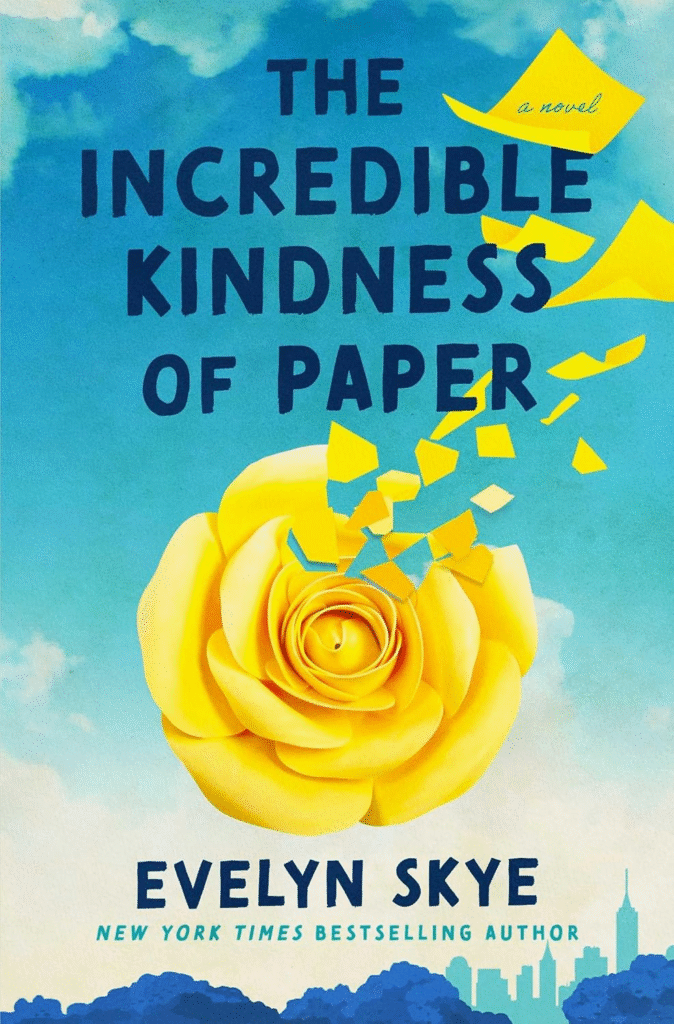
1. The Incredible Kindness Of Paper by Evelyn Skye
Real rating: 3.82/5
Running shoes: 2.5-3/5
This 2025 romance/magical realism was definitely not what I thought would be first among recommendations. And yet (I might have a soft spot for letters). Following Chloe Hanako Quinn, an old pen-pal to Oliver Jones, comes easily in this novel. Her first letter had come with an audio note in whispers, which Jones had heard. Fast-forward years in the future, and Chloe loses her job as a guidance counselor.
As an act of kindness, she writes a message on yellow paper and folds it into rose origami. Soon, the city is filled with them. Can those yellow roses lead Quinn and Jones back to each other? I am a strong believer in books-come-when-you-need-them. This plot feels like that, offering a sweet, hopeful contemporary romance. For a small joy, read this like a Hallmark movie novel.
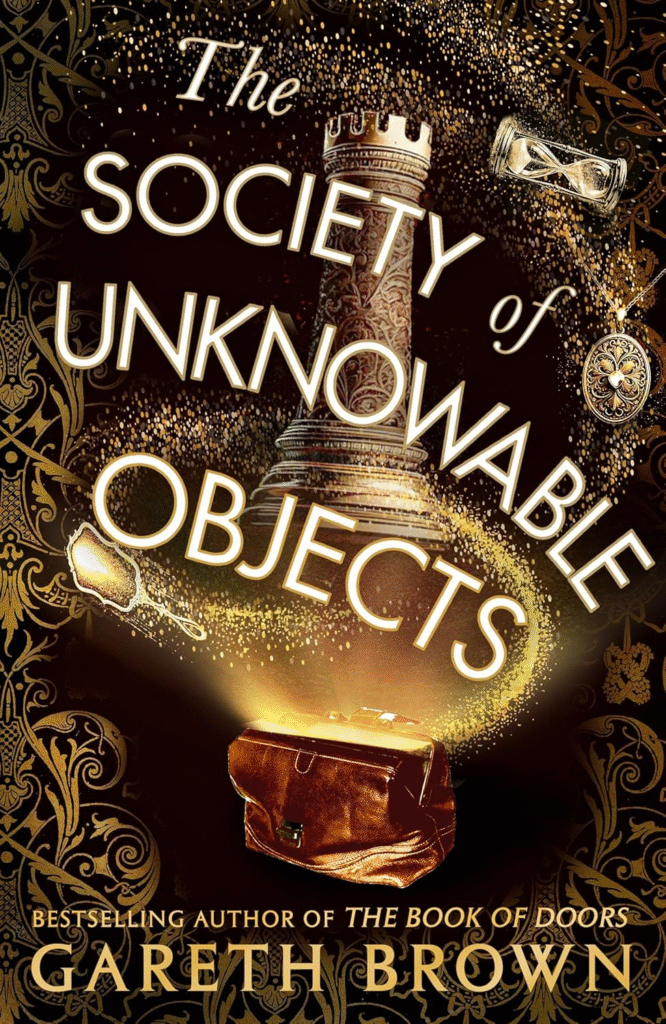
2. The Society Of Unknowable Objects by Gareth Brown
Real rating: 3.94/5
Running shoes: 3/5
Will truth hold in place of everything magic? The (secret) Society of Unknowable Objects in London has protected global magical objects for decades. News of a powerful new artifact in Hong Kong sends Magda Sparks, a newbie, to investigate. Tying into the universe from The Book of Doors, family secrets are revealed. So are enemies.
A stand-alone magical realism mystery, Brown’s plot brings a cat-and-mouse fantasy to life. If magic potions, mystery, and a sprinkle of romance sound like your cup of tea, this one is hot and piping.
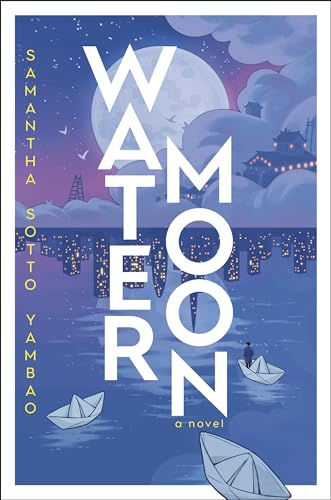
3. Water Moon by Samantha Sotto Yambao
Real rating: 3.78/5
Running shoes: 3.5/5
Would you sell your regret in exchange for tea? Employing the dream-like logic, this storytelling attempts to lull us into plots similar to popular anime and Studio Ghibli comfort. Mistaken for a ramen restaurant, the Almosts and Ifs Pawnshop’s owner, Toshio Ishikawa, spends his lifetime collecting regrets. Now-retired Ishikawa is set for his daughter, Hana, to take over the shop. On her debut shift, Hana finds the shop ransacked, her father missing, and a valuable regret stolen.
When an unassuming physicist, Keishin, enters the shop, he offers help instead of taking it. Allusions have been made to similarities in vibe from Matt Haig’s The Midnight Library, but we have to warn you – this novel does not cater to everyone’s tastes. Picking on grief, the crushing weight of a choice and its effect, it offers quiet hope. Perhaps, futures aren’t too costly after all?
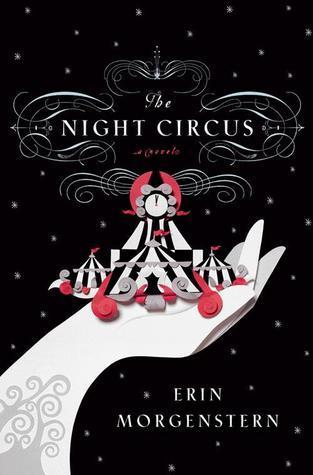
4. The Night Circus by Erin Morgenstern
Real Rating: 4/5
Running shoes: 2-3/5
Perfectly reading into the no-delving-into-how-the-magic-works aspect of magical realism, Morgenstern’s plot sets out to offer a circus. Setting up the grandeur of a Victorian circus, it follows the trained-since-childhood “staged” battle between Celia and Marco, star-crossed lovers. It is all for show until they realize there can only be one of them standing. In the play of the circus and its monkeys, does fate leave room for the heart?
Bringing in elements of historical fiction, this plot feels rich in writing. It often feels like there is a lot of hiding behind the pretty prose. Perhaps that is why readers claim not to understand or resort to multiple readings. Morgenstern has cleverly employed the reading-between-the-lines here, because certain plot points hit you in the gut long after being read. Truly deceptive, it is naturally difficult to keep up with (given the 15-character POV). If you remain unfazed or are up for a challenge, we serve this one to you!
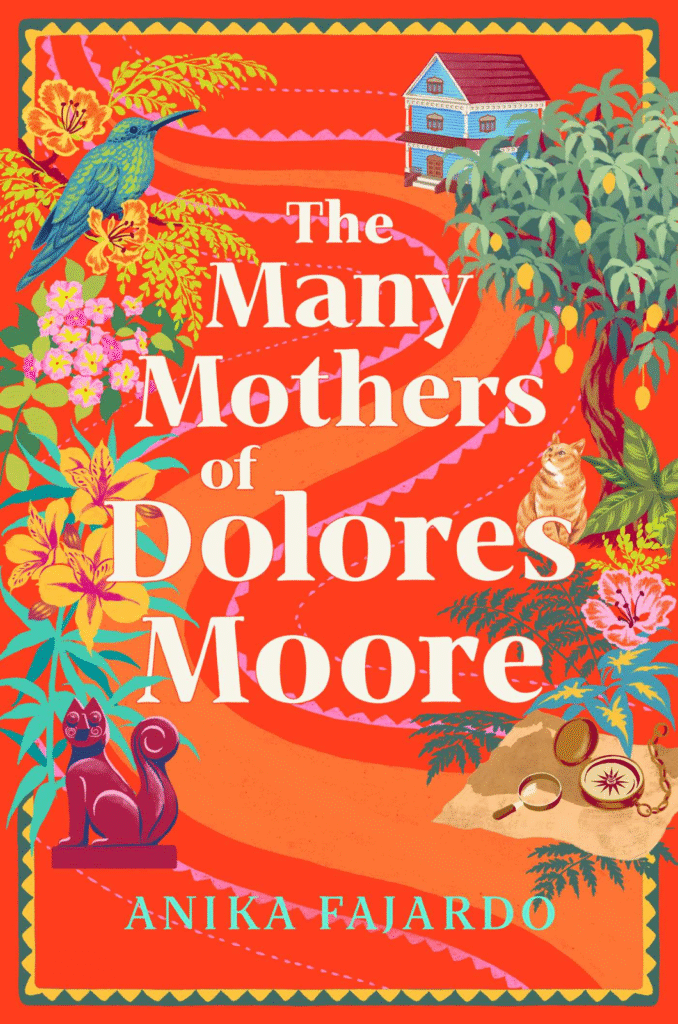
5. The Many Mothers Of Dolores Moore by Anika Fajardo
Real rating: 3.85/5
Running shoes: 2.75/5
Fajardo offers a slow plot, with a female-centric drive for understanding the past. Orphaned at 35, Dolores “Dorrie” Moore loses her last living mothers, her aunt Jane, and Jane’s wife, Elizabeth. She has also broken up with her long-term boyfriend. And has been laid off from her cartographer job.
Un-moore-d by loss, she confronts her roots. The heritage traces itself back to Cali, Colombia, with the matriarchal voices gently sharing observations. An ode to ancestors, and how we carry them – this book focuses on the larger-than-life question of who we are and how we came to be, at its core.
RELATED READING: 13 Best Vampire Romance Books Of All Time
6. The Invisible Life Of Addie LaRue by V.E. Schwab
Real rating: 4.17/5
Running shoes:
Melancholy, this plot weaves a forlorn tale of how easy it is to fade. It follows Addie LaRue, who wants out of her arranged marriage. In exchange (for immortality), Addie LaRue strikes up a bargain with a God. The cost is that no one will remember her.
On the brink of erasure, LaRue attempts to bring her story to life. Everything is in vain until she meets Henry Strauss (300 years later). He remembers her name. It emphasizes the weight of existence in memory. Un-showy, Schwab’s writing poetically delivers Anne Michaels’ sentiment: the shortest poem is your name.
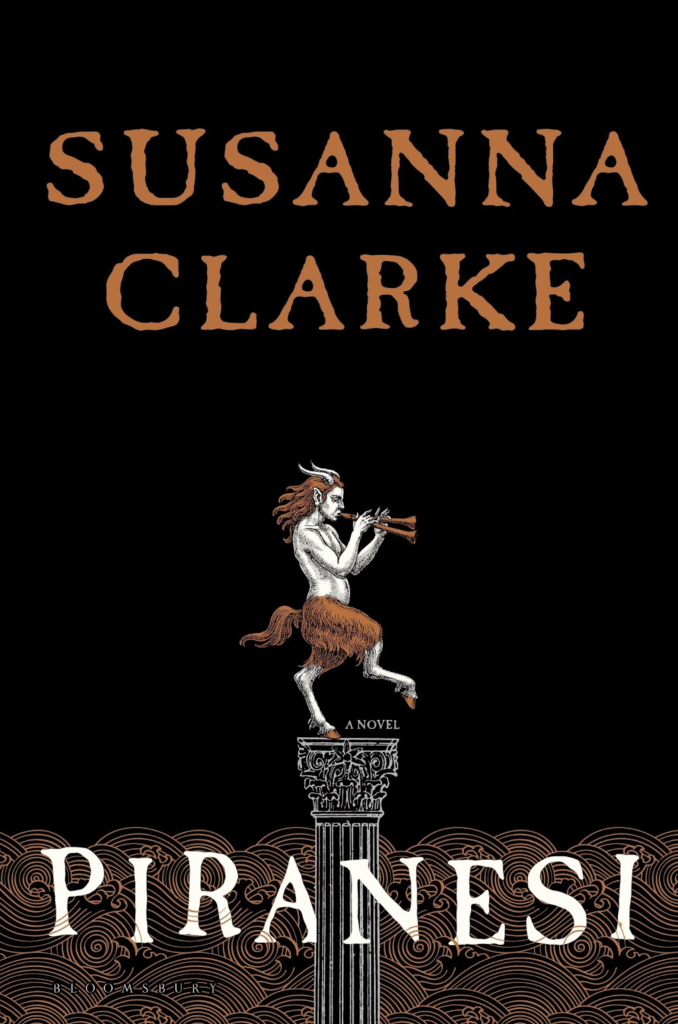
7. Piranesi by Susanna Clarke
Real rating: 4.22 /5
Running shoes: 3-3.5/5
Piranesi lives in an infinite labyrinth of a house. Its winding corridors are often lined with statues. Some rooms house oceans. The only Other person in the house recruits his help to research A Great and Secret Knowledge. When secrets seep through the cracks, Piranesi can finally see light. This dark academia X mythological plot has its own room in my heart.
It turns into a question of whether that light will make or break him. It stresses the need to talk of the plot’s (delicious) obscurity, to preserve the beauty it has to offer. Thoughtful in writing, it holds up a mirror to our lives.
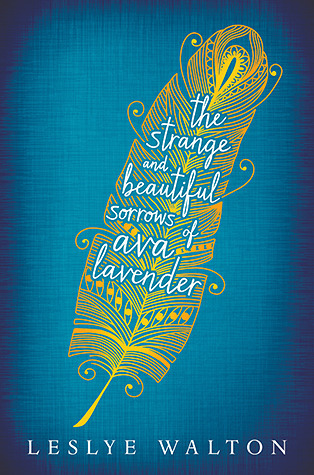
8. The Strange and Beautiful Sorrows Of Ava Lavender by Leslye Walton
Real rating: 4.03/5
Running shoes: 3.5/5
Strange and hauntingly beautiful, this YA story transcends generations. The latest progeny of the Roux household is born with the wings of a bird. When she tries to fit into humanity with her not-so-human quirks, everything is pain-filled.
Honest, obsessive, and characters mocking their wasted youth haunt this paranormal magical realism plot. An aching ode to inexplicable foolishness, it is exciting, funny, and a little romantic. If you are not a proper blubbering mess at its end, perhaps we should reconsider a few things.
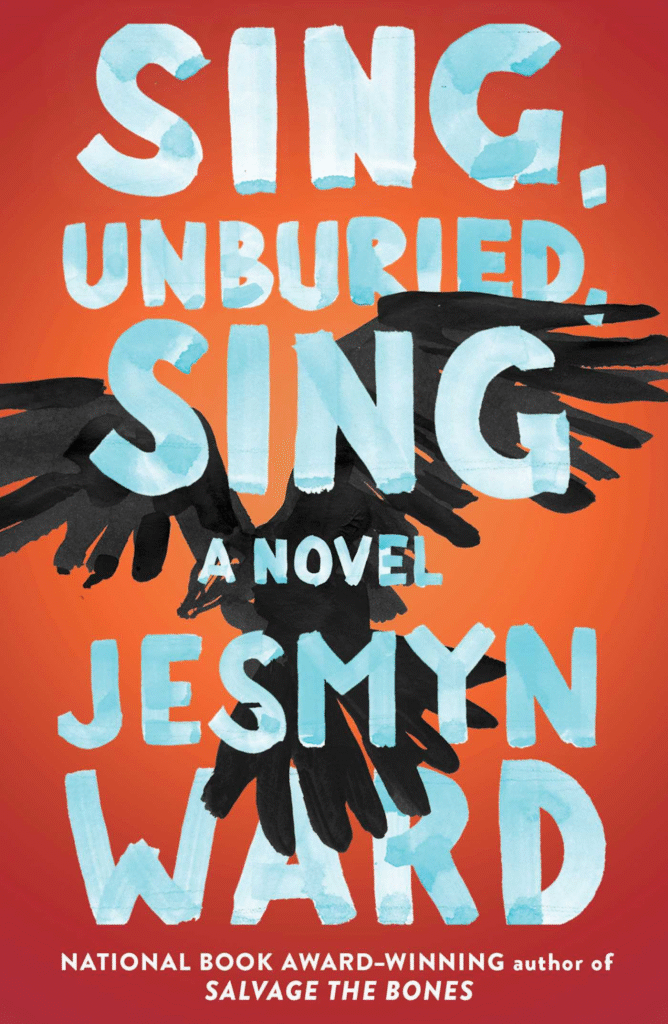
9. Sing, Unburied, Sing by Jesmyn Ward
Real rating: 4/5
Running shoes: 2/5
A crow on the cover. If that isn’t a sure-fire sign of a grieving plot, then I don’t know what is. Connecting Mississippi’s past and present in this epochal novel, Ward offers a portrait of struggle and hope. Jojo lives with his grandparents and younger sister, Kayla. Their home on the Gulf Coast is occasionally visited by his (addict of a) mother, Leonie.
When his (White) father is released from prison, Leonie packs off her life and moves to Parchman Farm. The plot reeks of American power and limitations, and how familial bonds serve as glue. The road-trip novel is intense, but it will burrow its way into hearts.
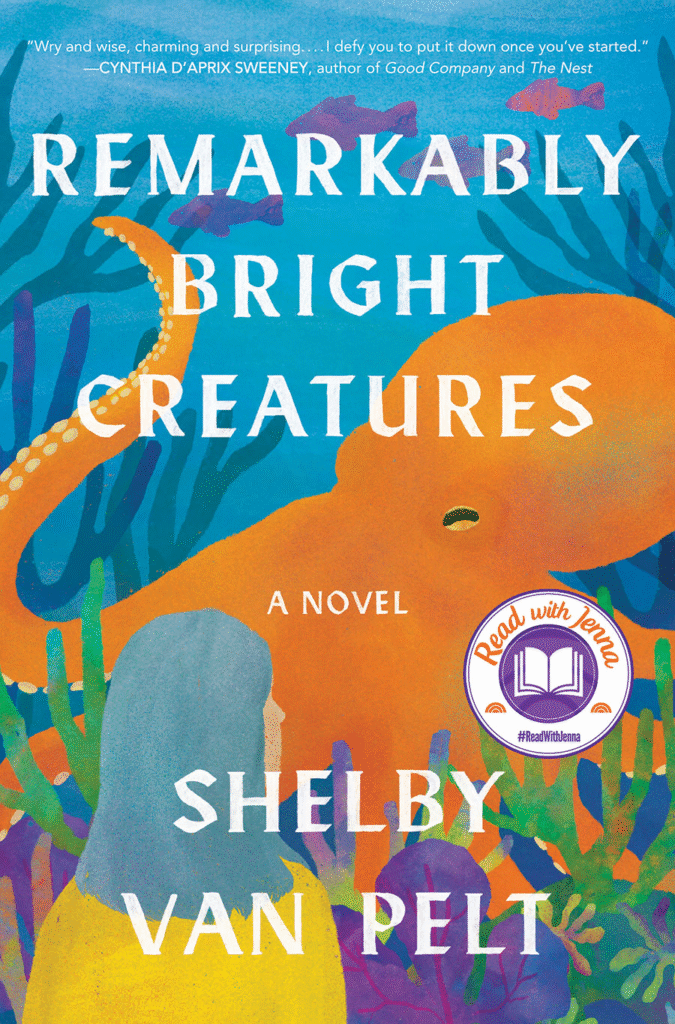
10. Remarkably Bright Creatures by Shelby Van Pelt
Real rating: 4.36/5
Running shoes: 3/5
It’s making a lot more sense now, why fantasy cushions loss. The weight of grief can only be held in the space between all things fathomable and not. Tova Sullivan began working at the Sowell Bay Aquarium after her husband’s death. She continued to do so when her son, Erik (18), disappeared mysteriously 30 years ago.
When Marcellus, the giant Pacific octopus, becomes her unlikely friend, he also learns deduction. To unearth the mystery and to deliver gentle reminders. The octopus generally one-upped the human characters in nuance and complexity. Yet, the complexity of the plot is lost when we have a particular character’s POV that we all collectively don’t seem to enjoy. A perfect addition to your TBR, fans of Fredrik Backman.
RELATED READING: 15 Book Recommendations For ACOTAR Fans
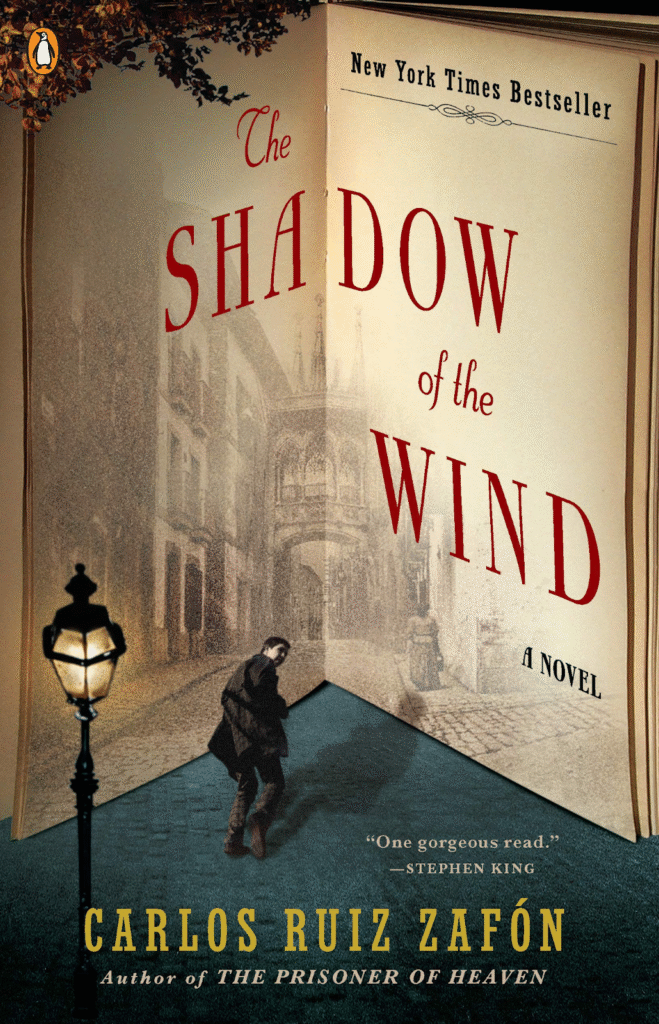
11. The Shadow Of The Wind by Carlos Ruiz Zafón
Real rating: 4.31/5
Running shoes: 2.5/5
I’ll admit leaving this book on my shelf for years. Something led me to pick it up, and I’ll let you know it was not the wind. In Barcelona, 1945, son of an antique book-dealer, Daniel read Julian Carax’s “The Shadow of the Wind.” In a world recovering from war, Daniel is mourning the loss of his mother. In an attempt to prolong solace, Daniel seeks out more of Carax’s works. Upon learning systematic destruction of all works, except the one he owns, where will it lead him?
It follows his innocent quest before it descends into a dark tale of murders, madness and doomed love. This Spanish Literature marks the first installment in The Cemetery of Forgotten Books quartet, and weaves an unforgettable tale. Gloomy and engaging, this book about a book will lead you into cycles you never wish to tune out of. An ultimate parable you will either love or hate.
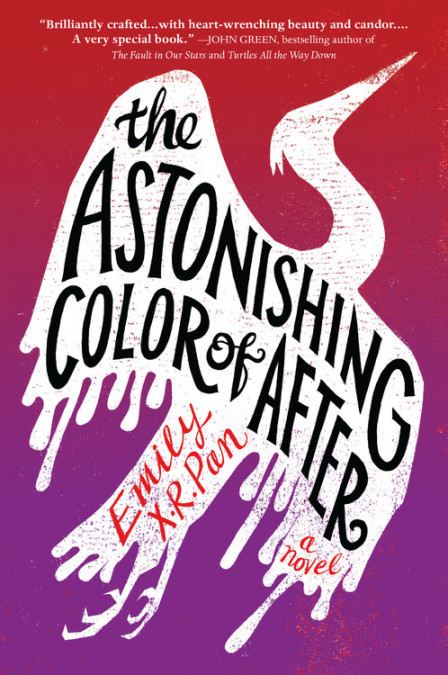
12. The Astonishing Color of After by Emily X.R. Pan
Real rating: 4.04/5
Running shoes: 3.5/5
The one where grief ties deeper into mental health. The glaring dearth in this book would have kept me away, save for the bird. Leigh Chen Sanders loses her mother (to suicide) on the same day she kissed her long-time best friend and secret crush. Now, she is convinced that her mother has turned into a bird.
She travels to Taiwan, the residence of her maternal grandparents, in search of the bird. Chasing ghosts, relationships, and secrets, Leigh might discover what separates reality from magic. The plot offers a small light in the vast ocean of grief, of a quiet anchor when it feels like you’re losing yourself.
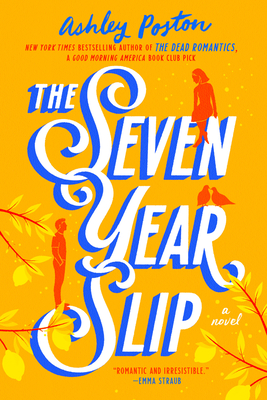
13. The Seven Year Slip by Ashley Poston
Real rating: 4.17/5
Running shoes: 3.5-4/5
A clean break from all that grief, but it still comes with a catch. An overworked book publicist, Clementine, has a perfectly planned future. What is imperfect is how things are not going according to plan. She has fallen in love with her temporary roommate, although she promised not to give her heart away so easily.
The catch? He has lived for seven years in the past. In her pinch-in-time apartment, their doomed love story might be a matter of timing. More than romance, it’s a find-yourself plot that offers an achingly refreshing take. Raw won’t begin to cut it, but we’ll stay for the authenticity.
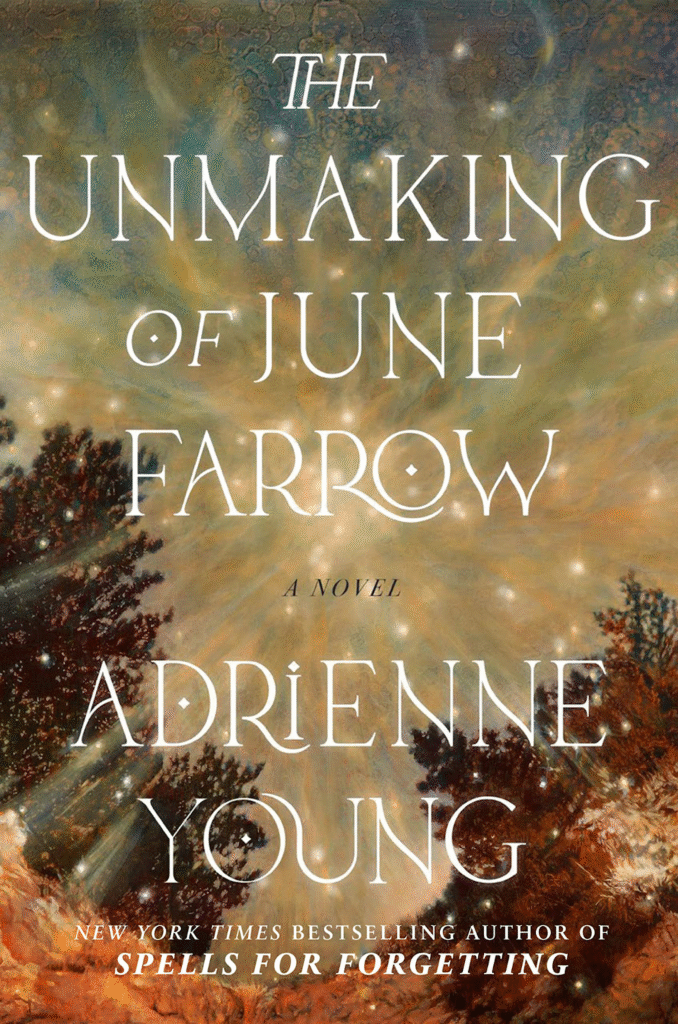
14. The Unmaking of June Farrow by Adrienne Young
Real rating: 4.12/5
Running shoes:
The Farrow women are cursed. Small-town girl June Farrow is awaiting her fate. Haunted in life by the rumors since her mad mother’s disappearance, June can now see/hear things. Signs she knows spell a future without her.
Upon her grandmother’s death, she chances upon a door that could change her future. And her past. A romance, mystery, and magic meet where June finds herself whole. Netflix’s Black Mirror and Dark fans could eat this one up. On the surface, this mind-bending time-travel will cook up conspiracy stories. What’s for sure is that you will be enthralled until the end.
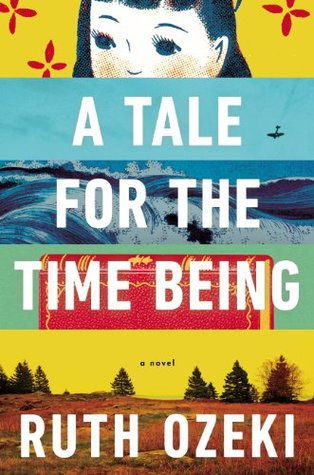
15. A Tale For The Time Being by Ruth Ozeki
Real rating: 4.06/5
Running shoes: 2-2.5/5
We cannot not end with a classic recommendation. In this search-for-home plot, we meet Ruth, years in the future, stumbling upon Nao’s lunchbox with artifacts from the 2011 flood. Nao, who had an urge to delve into her Buddhist nun grandmother’s past to get away from the bullying and loneliness in school.
This inventive plot ushers along quantum physics and history, along with collective emotion for humanity and home. We have all journeyed far, but it seems that home is only where we rest.
Other Notable Magical Realism Books
We are indulging in more treats today. Especially in these books that have us enraptured simply by their titles. Further magical realism book recommendations include:
- Other Birds by Sarah Addison Allen
- The Ten Thousand Doors Of January by Alix E. Harrow
- Forty Rooms by Olga Grushin
- Nothing To See Here by Keven Wilson
- Bunny by Mona Awad
- Once Upon A River by Diane Setterfield
- The Particular Sadness Of Lemon Cake by Aimee Bender
- Bone Gap by Laura Ruby
Conclusion
We had considered it would be difficult, or rather unfair, to only pick from the best magical realism books 2025 list. So, we made one that would let us free-fall, where time allows us to try different running shoes.
What I’ve realized is that a little bit of magic only takes me so far, run as far as I might. For me, chancing upon magical realism books felt like air underneath my wings. Suddenly, I was no longer required to meet halfway. If books could do that for me, we hope you give them a chance to do that for you too.
FAQs
1. Who are the top legendary magical realism authors?
We’ll present to you a chocolate box. For every taste, there is someone’s story waiting to be read. Make your choice:
Father of Magical Realism: Gabriel García Márquez
Queen of Magical Fiction: Isabel Allende
Transforming Realism Through History: Toni Morrison
Surrealism Meets Modernism: Haruki Murakami
Fusing Myth and Reality: Salman Rushdie
2. What is the most famous magical realism book?
Gabriel García Márquez’s One Hundred Years of Solitude, Isabel Allende’s The House of Spirits, and Salman Rushdie’s Midnight’s Children remain popular choices for the magical realism genre.
3. Is Harry Potter considered magical realism?
No. Harry Potter is considered to be a popular fantasy series. What is a stark representation is the use of magic. Magic in the Harry Potter universe is explained, and the plots fully make use of it. This goes against the principles of what makes a plot fit into the brackets of magical realism.
4. Which modern novels use magical realism?
Yann Martel’s Life of Pi, Haruki Murakami’s Kafka On The Shore, and Matt Haig’s The Midnight Library count as modern novels that use magical realism.