

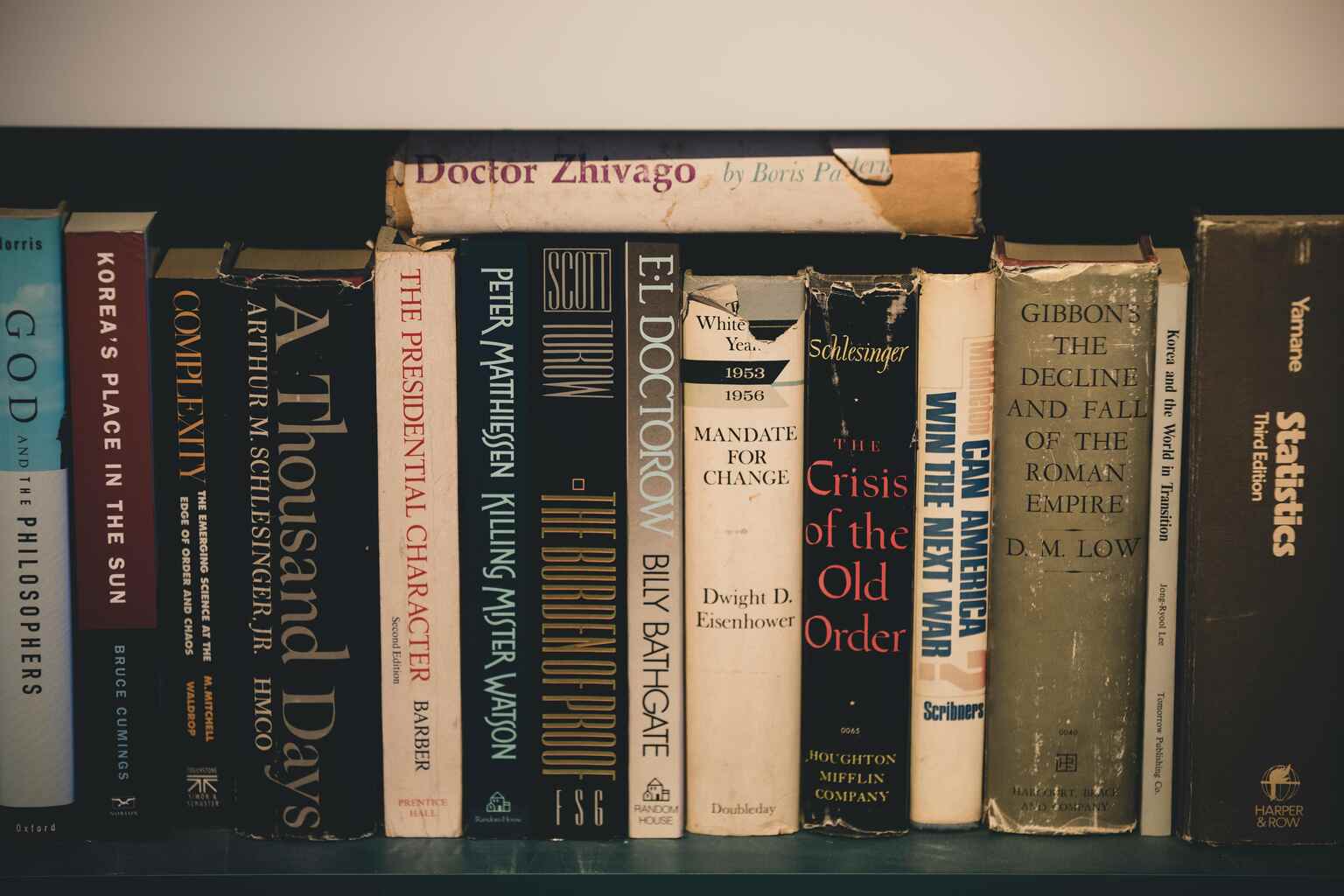
History has a way of sneaking up on you. For me, all it took was one Indiana Jones movie to wonder how aliens scream. From there, I tumbled headfirst into the past, one dusty library hardcover at a time, trying to read all the great books for history buffs.
It wasn’t just epic battles that fascinated me. It was everything. From political intrigues to the rigid rules of society. Trust me, the best history books for beginners and seasoned readers are just as gripping and thrilling as any other novel. They are full of twists, surprises, and lessons.
That said, here’s a small compilation of all the books The Soul Index recommends, history buff or not, because they are all worth something!
1. Chris Scarre’s The Human Past: World Prehistory & the Development of Human Societies
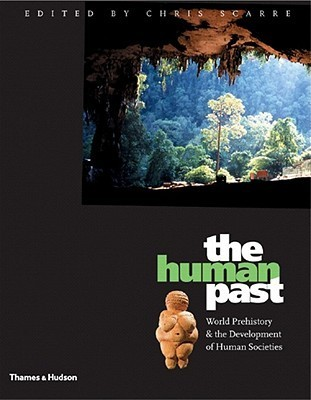
For a detailed-yet-readable overview of human history, read this archeological-POV of the past. With an original perspective of field specialists, a regional, chronicled, and historical framework is presented. Considering the textbook-breakdown style of this book, it can feel overwhelming given its size. For bonus, every chapter reads like a new experience!
Era: Comprehensive expanse of human history
Genre: Academic non-fiction
Reading level: 18+
2. Nigel Roger’s Ancient Rome: An Illustrated History
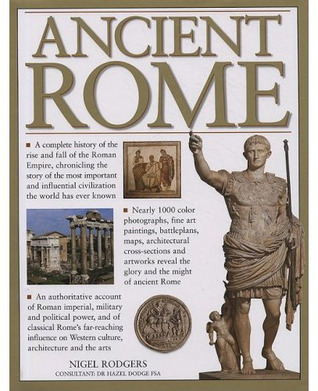
A surprisingly underrated pick among best books for ancient history lovers, Rogers’ Ancient Rome is an account of extensive Roman history. A seminal work in the field, it captures intimate details of Rome’s vast historical narratives. Leveraging the weight of the outsider’s knowledge, it records the Roman elite, emperors, governance, defense, and politics. We recommend this coffee table-style introduction for those with a beginner’s interest in ancient Rome!
Era: c.753 BCE – 476 CE
Genre: History, Non-fiction
Reading level: 18+
3. Erik Larson’s Dead Wake: The Last Crossing of the Lusitania
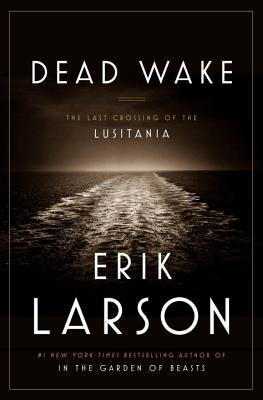
Here’s an ultimate pit-stop for notable World War history books. Dead Wake is a novel-like response to questions regarding WWI. Following the 1915 voyage of luxury line Lustitania, it provides insights to:
- When did the Lusitania begin its voyage?
- Who were among the 2000+ people aboard?
- If the ship carried so much ammunition, why was it not escorted by the Admiralty?
- Was it a deliberate plot by the British to force America’s hand to war?
Era: Early 20th century
Genre: Historical, narrative non-fiction
Reading level: 18+
4. Barbara Tuchman’s A Distant Mirror: The Calamitous 14th Century
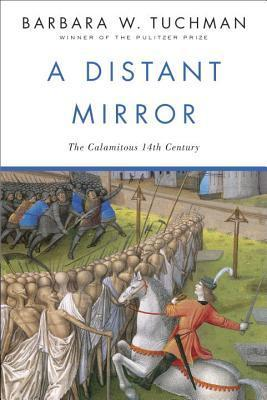
The late Middle Ages sustained castles, crusades, and chivalry. On the other hand, it also bears the Plague and the war. In this time of medieval history, there was a record of spiritual agony as there was of everyday routine. For a highly-recommended (almost) encyclopaedic view into this part of the timeline, those squeamish, beware!
Era: 14th century
Genre: Narrative history, non-fiction
Reading level: Mature
5. Patrick Radden Keefe’s Say Nothing: A True Story of Murder and Memory in Northern Ireland
Among history books that read like novels, Say Nothing offers clarity on what irrational hatred can cause. The early 1970s saw The Troubles, with the Catholic Nationalist split into two rival camps: the Official and the Provisional IRA.
In this case study of “strategic insanity,” we trace the abduction (and murder) of Jean McConville, her bereft children, and the following silence of the Irish community. A harrowing account of what led to it and what followed lies at the core of this origin of conflict.
Era: 1972
Genre: True-crime, Historical biography
Reading level: Mature
RELATED READING: 100 Books Everyone Should Read Before They Die
6. Peter Zeihan’s The End of the World Is Just the Beginning: Mapping the Collapse of Globalization
Presenting a thought experiment choice among modern history must-read books! An American-led trade system collapse means a world with individual countries faring for themselves in a fast-waning interconnected ecosystem.
With trademark forwardness, Zeinan’s account leads to causes of de-globalization. Think geopolitics meeting the possibilities of such an inconvenience. At its core, it attempts to contain answers to what a lack of protection from the US Navy would mean for the world. An interesting political take on the end of the world, at least for data points!
Era: 1945-Present
Genre: Geopolitics, Economics/Demographics, non-fiction
Reading level: 18+
7. Mark Kurlansky’s Salt: A World History
In the history of humankind, a household object holds the key to this book. Civilizations, currency, trade routes, cities and their structures, wars and empires, and revolutions have been shaped by a grain of salt. This tedious food-related biography traces the voyage of salt in a non-academic manner. Offering the scenic route in a non-fiction, we’ll leave you with this 400+ page book about salt.
Era: “Salt Age” (c. 8000 years ago)
Genre: food/micro history, non-fiction
Reading level: 18+
8. Isna Marifa’s Mountains More Ancient: A Novel
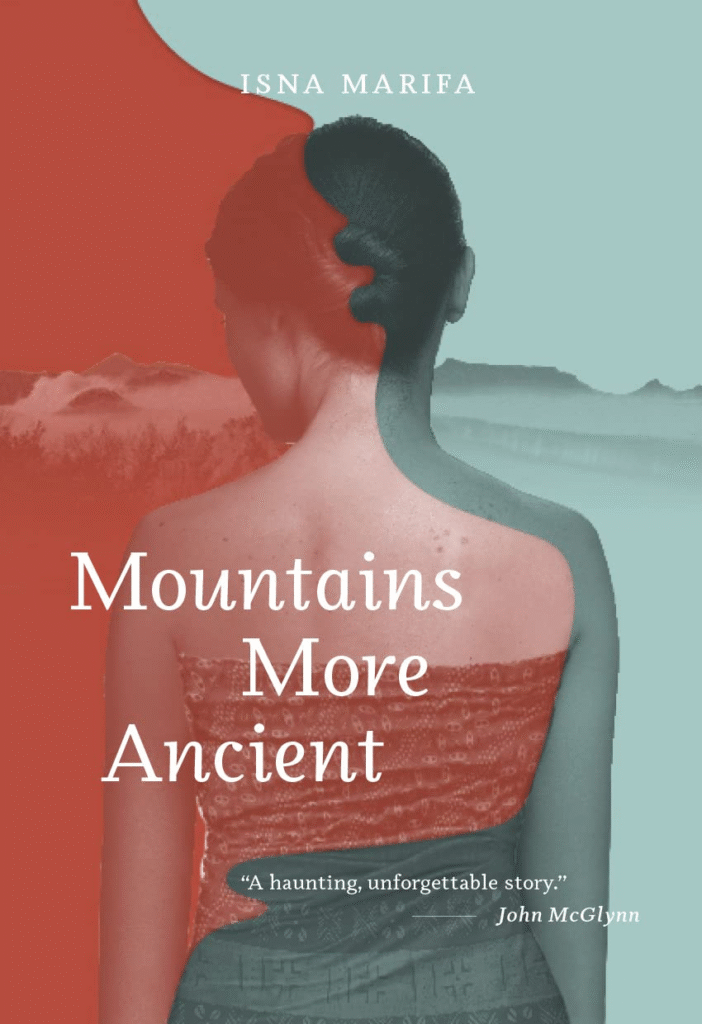
Mountains More Ancient: A Novel is the First novel to focus on Indonesian slavery in South Africa following? The multicultural beginning of a community, Cape Malays. In this history of unfreedom, we follow enslaved nine-year-old Wulan and her father on a Cape Colony farmstead.
With a desperate need to hold onto their Javanese identity, it reads like an unexpected communal narrative. Honoring the “little” community’s voice and its ancestors, it is a considerable addition in fiction books for history lovers.
Era: 18th century (1751)
Genre: Cultural heritage/Historical fiction
Reading level: 18+
9. Jordan Llyod and Wolfgang Wild’s History As They Saw It: Iconic Moments from the Past in Color
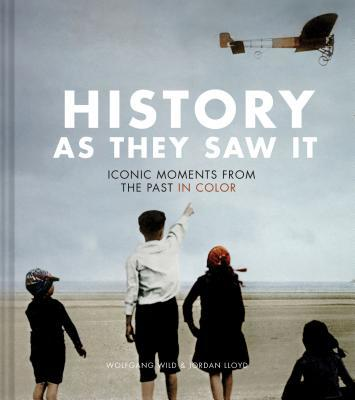
In this revolutionary photography series, the significant events that shaped the 100+ years between 1839 and 1949 have been restored in color from their black-and-white counterparts. Meant for the photography and history aficionados alike, it is presented in reverse chronology. This would be a great conversation-starter or among the perfect gifts for history buffs.
Era: Late 19th to Early 20th century
Genre: coffee table, Historical non-fiction
Reading level: 16+
10. Hannah Rose Woods’ Rule, Nostalgia: A Backwards History of Britain
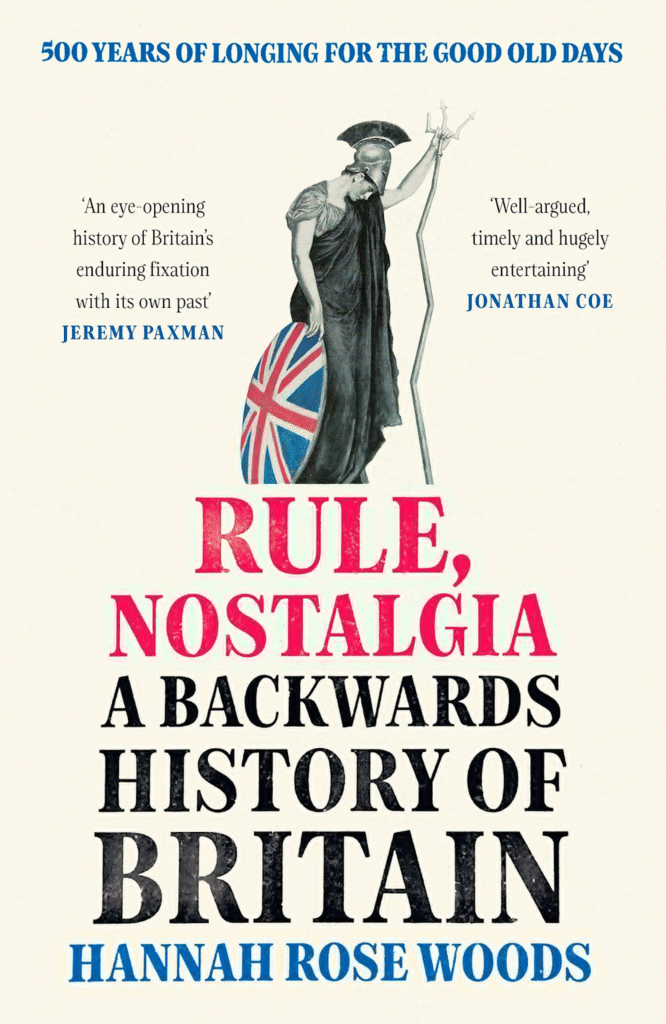
From the present moving backwards, Rule, Nostalgia is a rose-tinted view of a yearning for the “good old days.” Addressing the historical reality from an idealized POV, this book argues the persistence of politics and culture that shape a predominant identity.
Harboring the need to go back to the former glory of its “golden age,” it offers a wistful tour of what once was. Highlighting the weight of memory, right or wrong, this is an interrogation of history itself.
Era: 16th century
Genre: non-fiction history, cultural commentary
Reading level: 18+
RELATED READING: 15 Beautiful Books On Friendship To Gift Your Besties
11. Susan Wise Bauer’s The History of the Ancient World: From the Earliest Accounts to the Fall of Rome
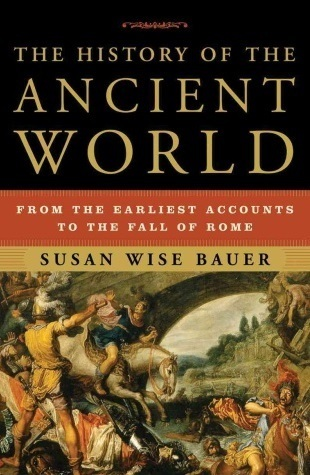
We journey through Europe, the Middle East, China, and more, for abstract assertions among world civilizations. Timelines interconnect between major events, maintaining the narrative between history and human behavior. Employing references from literature, consequences have been scrutinized. While the scope of this book operates on tedium, you will be on your toes with all the timeline-jumping!
Era: c. 10,000 BCE ~ 476 AD
Genre: Narrative, storytelling history
Reading level: 11+
12. David Grann’s Killers of the Flower Moon: The Osage Murders and the Birth of the FBI
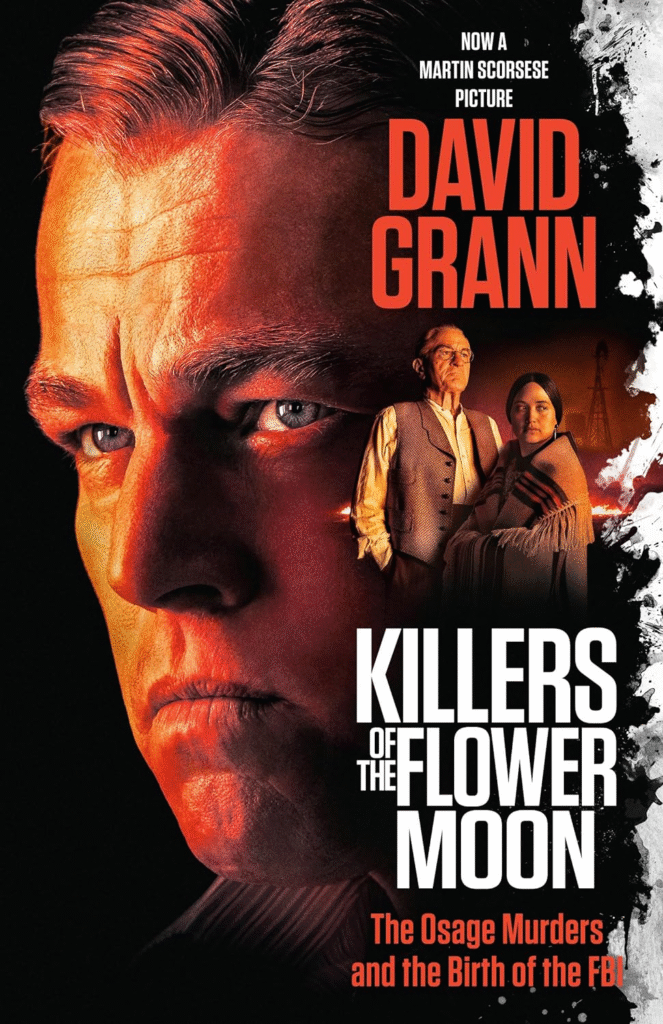
Ever wonder what to buy for a history buff? If there’s one book we’d have to recommend, it would be David Grann’s name?. Consider this among the most chilling of historical non-fiction books about conspiracy theories out there.
Thanks to oil, 1920s Oklahoma saw the Osage Nation’s rise of wealth. Yet, every member became a steady target and was killed off. Former Texas-ranger Tom White stepped in when the death toll rose. As the youngest director of the brand-new FBI, he was to bear the unraveling of such a mystery. We can only say that this did not remain a simple tale of greed.
Era: 1920s
Genre: true-crime, historical non-fiction
Reading level: 10+ (An adapted version for Young Readers is available)
13. Adrian Goldsworthy’s Augustus: First Emperor of Rome
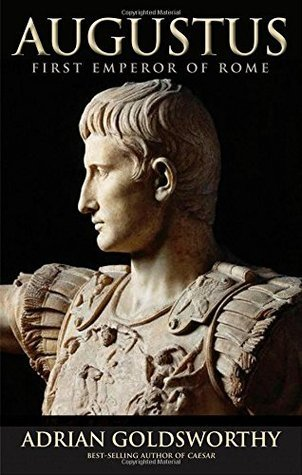
This dramatic biography of Rome’s first emperor is a first-pick among gifts about historical events. Considering the violent power struggles in the face of Caesar Augustus’ story, it follows the murdered Julius Caesar’s named heir.
Artfully maneuvering his way through the Civil War years, the nineteen-year-old’s success has always been a highly-anticipated read. Armed with generosity and ruthlessness, Augustus’ rule brought the Roman Empire to such a height that it continues to influence Western history.
Era: 63 BC – 14 AD
Genre: Ancient history, biography memoir
Reading level: 15+
14. Jill Lepore’s These Truths: A History of the United States
There is no definitive text that would provide a decent overview of American history, apart from an A-level AP US History textbook. Devoted to evidence, facts, and proof, Lepore’s work brings to light five centuries’ worth of events that birthed the nation.
She writes beautifully, providing a non-traditional perspective while liberally diverting from the central narrative where necessary. It gets easier to determine an interest-based pursuit of further reading from this starting point.
Era: 1492-Present
Genre: Narrative history, social & political commentary
Reading level: 14+
15. Ramchandra Guha’s India After Gandhi: A History of the World’s Largest Democracy
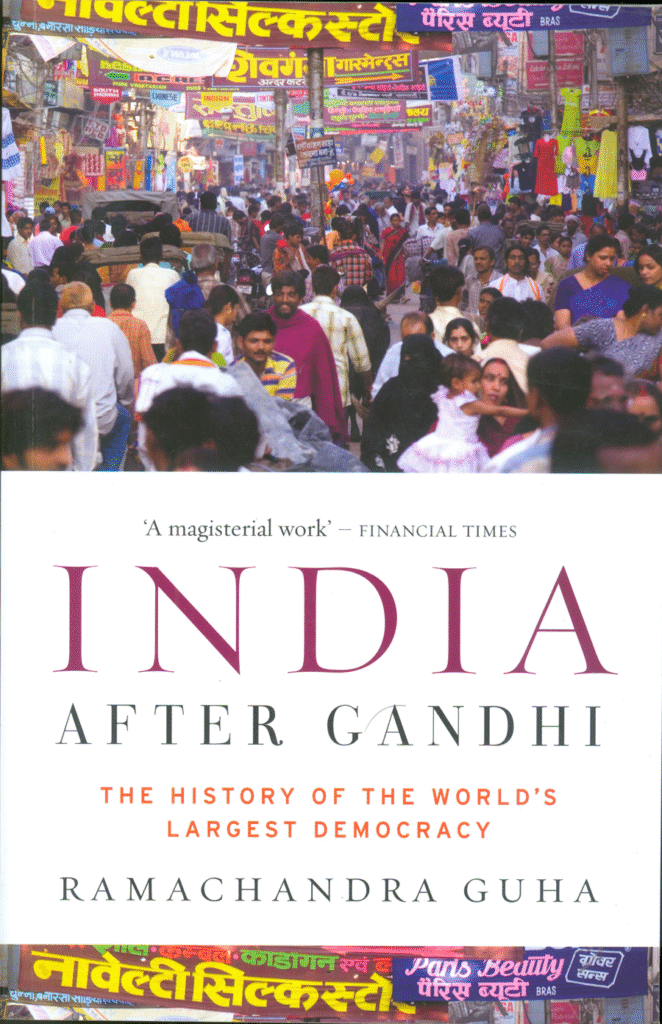
This is the start of detailed research into the world’s largest democracy, not shying away from its struggles and humiliations. This book sets out to unravel the least likely democracy, shouldering the complexity of the Indian ecosystem.
While explaining India is no easy feat, Guha’s masterful work offers insights into the vast swirl of a nation, with its 22 (recorded) languages, multiple religions, festivals, ethnic groups and more. While it cannot be said that this marks a definitive text for study, this book is an informative rabbit hole you can comfortably navigate, even as a beginner.
Era: 1947 ~ Present
Genre: Political history, non-fiction
Reading level: 18+
RELATED READING: 10 Helpful Books On Procrastination To Read
16. William Dalrymple’s City of Djinns: A Year in Delhi
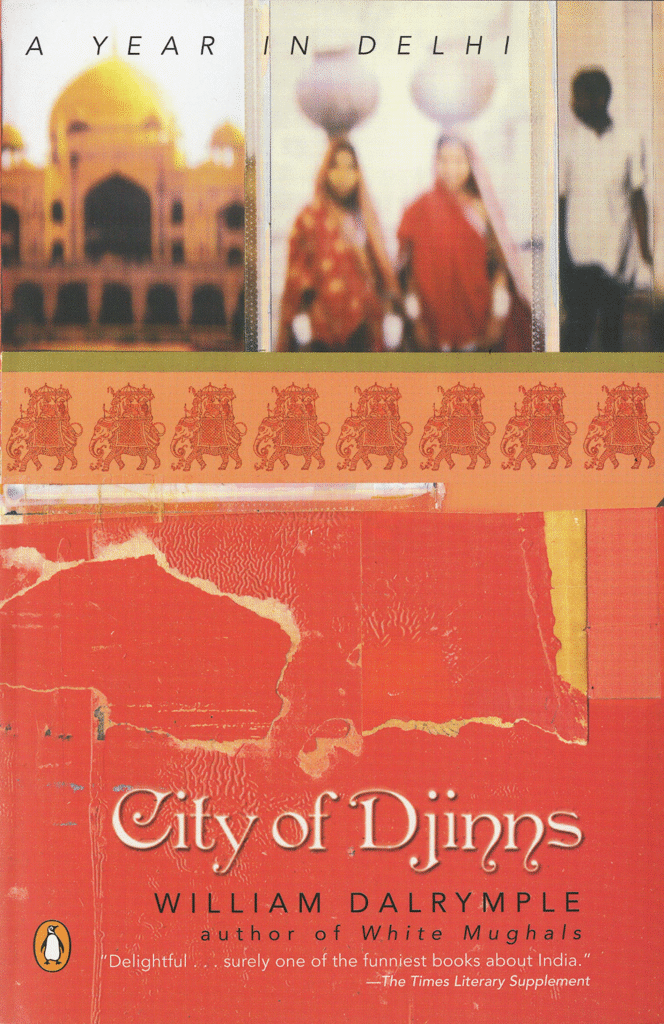
While it is difficult for long-time history buffs to be interested in a specific region, we bring to you a travelogue-style memoir of Dalrymple’s year in India’s Delhi. Serving as the locus of fallen empires, his curiosity leads him down eight “dead” cities, unearthing remembered and forgotten losses.
Apart from the city’s internal dialogue, there is also a quiet accommodation of voices from passers-by. With unfamiliar familiarity, Dalrymple’s accounts attempt to capture a fast-changing city in one such phase. Mixing stratigraphy with historiography, it is easy to sustain the author’s enthusiasm for the subject material.
Era: 1857, 1947
Genre: Travel writing, historical memoir
Reading level: 14+
17. Jared Diamond’s Guns, Germs and Steel: The Fates of Human Societies
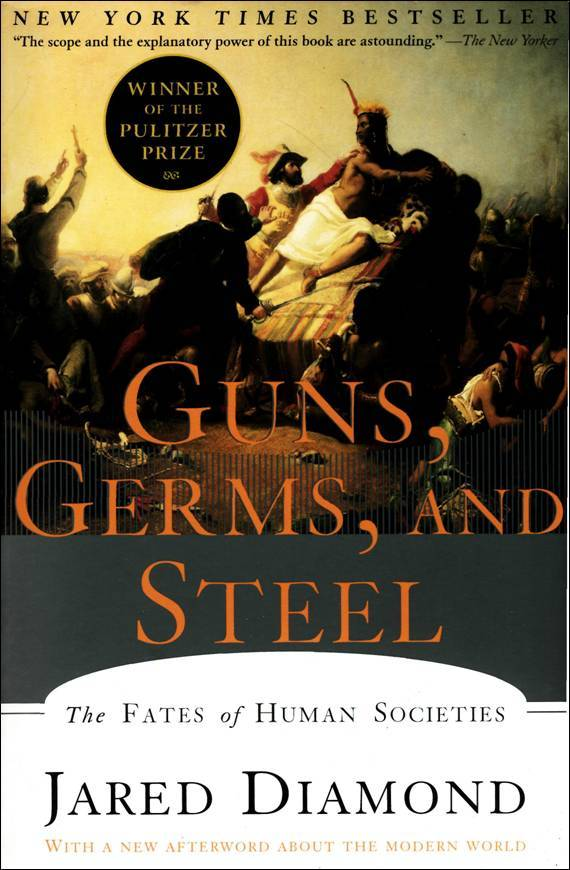
Considering the best world history books of all time, this highly relevant book marks its transdisciplinary route to non-fiction. Presenting a global overview from ancient civilizations to the emergence of the modern world, Diamond’s book does account for questionable loopholes. Validly criticized, it remains significant food-for-thought.
Era: ~ 11,000 BCE – Present
Genre: Non-fiction, environmental history
Reading level: 18+
18. William L. Shirer’s The Rise and Fall of the Third Reich: A History of Nazi Germany
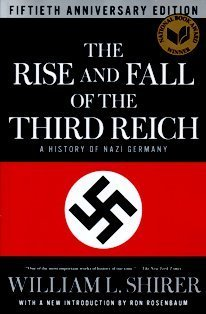
Adolf Hitler’s nightmare empire is evident in its mark on the Western civilization. Shirer’s documentation on the Nazis (since 1925) has seen the light of day through this classic tome. This close coverage provides startling insights into an already “most-catastrophic event” to ever occur. For a solid testimony to all the paperwork that led to history’s most terrible chapter, pick this up!
Era: 1933-1945
Genre: Military history, non-fiction
Reading level: 18+
19. Adeeb Khalid’s Central Asia: A New History from the Imperial Conquests to the Present
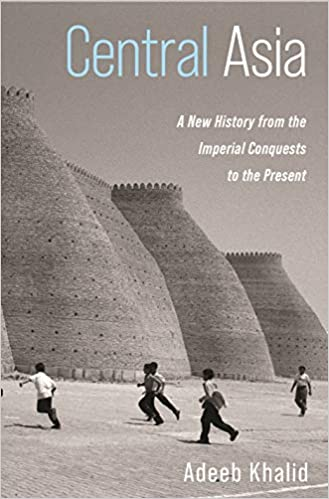
Modern history sees Central Asia on its periphery: distant and inaccessible. Khalid’s comprehensive overview of the historical impact of imperial and colonial rule shows how interconnected such places really are.
Comprising Uzbekistan, Kyrgyzstan, Tajikistan, Turkmenistan, Kazakhstan, and China’s Xinjiang province, this essential history book offers a panoramic view into the forces that shaped them. It highlights Russian-Chinese interconnections as well. Densely informative, it is yet another definitive recommendation!
Era: 1991 onwards
Genre: Sociology, Historical non-fiction
Reading level: 18+
20. Numa Denis Fustel de Coulanges’ The Ancient City: A Study of the Religion, Laws, and Institutions of Greece and Rome
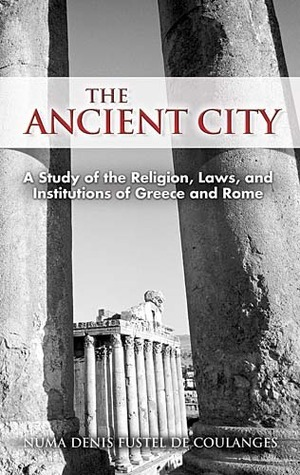
An underrated, influential Greco-Roman study on social structure, religion, and government amidst city organization. Stipulating the evolution of culture and ideology going hand-in-hand, it presents an important survey. Using only primary sources, it provides material on classical antiquity.
Era: ~ 3300 BCE, c. 6th century BCE onwards
Genre: Classical studies, Non-fiction
Reading level: Mature
Conclusion
Arnold Toynbee said, “Life is just one damned thing after another, whether it is private or public life,” and the same can be said about history. There is so much that has happened, and so little record to show for it. In light of that, we can read one more history book.
Now that you have a must-read history books of all time list, we leave you with these trivia-games-worthy recommendations for when you have to buy best books for history buffs.
FAQs
1. What is the best history book of all time?
Mary Beard’s Twelve Caesars, William L. Shirer’s The Rise and Fall of the Third Reich, and H. D. F. Kitto’s The Greeks are notably the best history books of all time.
2. What should every history buff read?
Mark Kurlansky’s Cod: A Biography of the Fish That Changed the World, Neal Stephenson’s The System of the World, and Stephen Ambrose’s Undaunted Courage are among must-reads for history buffs.
3. What is the best book to start learning history?
Will and Ariel Durrant’s The Lessons of History, Bill Bryson’s A Short History of Nearly Everything, Barbara Tuchman’s A Distant Mirror, and Stephen Clarke’s 1000 Years of Annoying the French are great starting points.
4. What are the most accurate history books?
Some of the most accurate history books include William L. Shirer’s The Rise and Fall of the Third Reich, Barbara Tuchman’s The Guns of August, Howard Zinn’s A People’s History, and David McCullough’s John Adams, 1776.
5. What is the most interesting period in history to read about?
Though subjective, the most interesting periods in history range from Ancient Empires (Rome, Greek), the Renaissance and Reformation (arts), the Middle Ages (plagues), and the Cold War (technological superpower).
23 Best Books Set In London To Experience The City Through Stories