


If you have ever sat alone at night and become aware of a quiet you had not noticed before, then you understand the mood Gothic literature leans on. It is never only about monsters hiding somewhere or creaking floors echoing down a hallway. It is about the mind paying attention. I think that is why Gothic novels linger. They do not shout; they settle into you.
What Really Is Gothic Fiction?
When I try to describe the meaning of Gothic fiction, I end up circling instead of settling. The genre has always refused a single definition because it stretches in every direction.
Here is what shaped it and what still holds it together:
- It began in the eighteenth century with Horace Walpole, whose first Gothic novel mixed old storytelling with a supernatural suggestion that felt new at the time.
- That strange experiment became the origin of Gothic literature.
- Victorian writers expanded it with long staircases, quiet rooms, secrets, and characters who guarded their thoughts.
- These Gothic literature elements still create the uncanny tone people expect, something both strange and believable.
- The tropes survive because they resemble everyday life. People sense unnamed fears. People recognise silence that hangs a little too long.
- Gothic fiction leans into these small sensations instead of explaining them.
- Even as eras shift, the emotional weight stays steady. Writers still explore ambiguity, leave space for the supernatural, and trust readers to feel tension without being told.
5 Key Characteristics Of Gothic Novels
Whenever I try to explain why Gothic texts feel so distinct, I find myself going back to the foundation they all seem to share. These Gothic literature elements keep showing up no matter what I read. Some slip in quietly and some stand out more, but each one adds something to the experience.
Even in modern Gothic novels, the same ideas return with new shapes. I like noticing these patterns because they help me understand how the genre moves beneath the surface. Here are the five traits I always pay attention to.
- Atmospheric settings
There is something about the way these stories use places that feels almost alive. Fog curling around a broken fence. An abandoned mansion, an eerie forest, even a ruin under daylight carries its own shadow. In Gothic fiction, the setting does more than hold the story; it shapes it. It is the kind of atmosphere people often connect with Halloween, mostly because the mood feels the same even when nothing frightening actually happens.
- Supernatural or uncanny intrusions
I notice that the supernatural often enters softly. A curse whispered in passing. A shadow that does not match the person casting it. A moment that feels wrong for reasons no one can explain. Gothic literature elements do not need dramatic spirits. The uncanny works better when it slips into the story like a thought the reader cannot quite brush away.
- Emotional turmoil and psychological fear
Characters in most Gothic stories rarely feel steady. Their inner lives reflect the world around them. Fear becomes a companion. Doubt becomes part of their voice. Psychological tension colours everything they see. This is where the genre feels the most intimate.
- Secrets and twisted family histories
The secrets always matter. They shape the atmosphere just as much as any ruin or forest. Hidden crimes. Long buried stories. Generational wounds that affect people who never asked for them. These details create moral complexity that pulls me deeper into the narrative.
- The blend of mystery, horror, and romance
This combination is the heartbeat of the genre because mystery pulls the reader forward while horror deepens the shadows and romance brings its own quiet danger. When the three work together, the story feels fuller and more layered, and the atmosphere lingers long after the book is finished.
10 Best Gothic Novels of All Time
Have you ever paused on a sentence because it felt heavier than it looked? That moment says so much about the meaning of Gothic fiction.
The ingredients are familiar, and most Gothic novels return to them in their own way:
- Horror adds to the tension, the kind that builds before you even notice it.
- Romance adds warmth, usually in small, uncertain moments.
- Mystery keeps you guessing, pulling you toward things that are only half revealed.
- The supernatural appears when the story wants you to question something you would normally ignore.
- The setting does the rest. Even an abandoned mansion or a long Victorian hallway can create a mood before anything happens.
1. Frankenstein by Mary Shelley
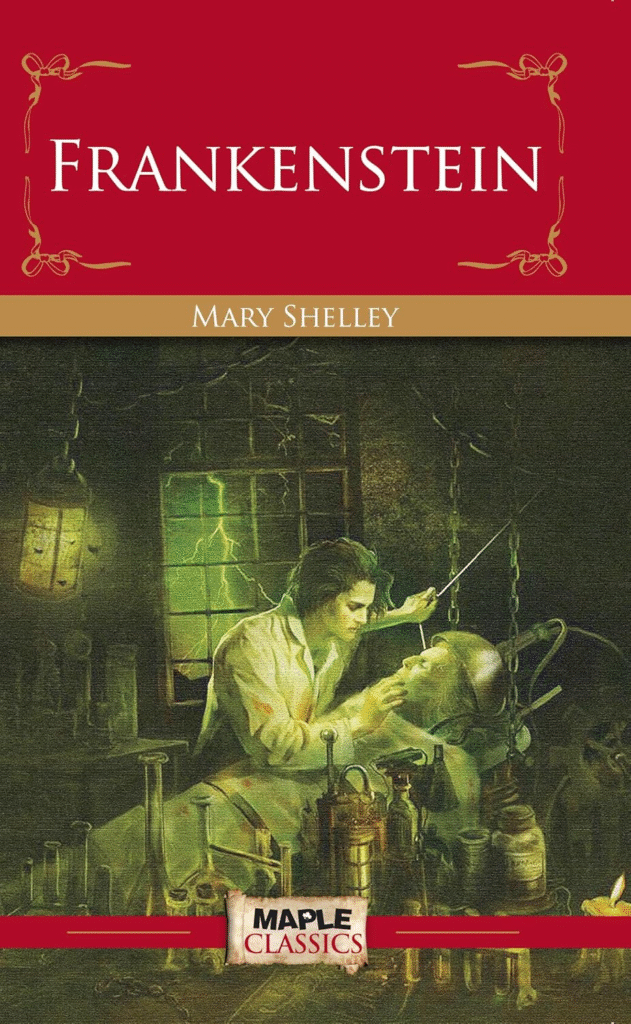
I’ve read Frankenstein many times, and I have always noticed how alive the writing remains. It stands among the earliest Gothic novels, yet it never feels like an old relic you admire from a distance. It pulls you in instead. The horror grows slowly, shaped by curiosity and regret, and the mystery surrounding Victor’s choices creates a tension that still holds up.
- The 19th-century setting adds a cold quietness that fits the story.
- The creature brings fear, but his sadness feels even heavier.
- The dark landscapes mirror the emotional collapse happening inside the characters.
What I admire most is how Mary Shelley understood the heart of Gothic literature. She blended science with dread, and ambition with responsibility, creating a story that feels larger than the genre itself. It stands at the beginning of the evolution of Gothic literature, and it still influences how writers approach fear.
2. Jane Eyre by Charlotte Brontë
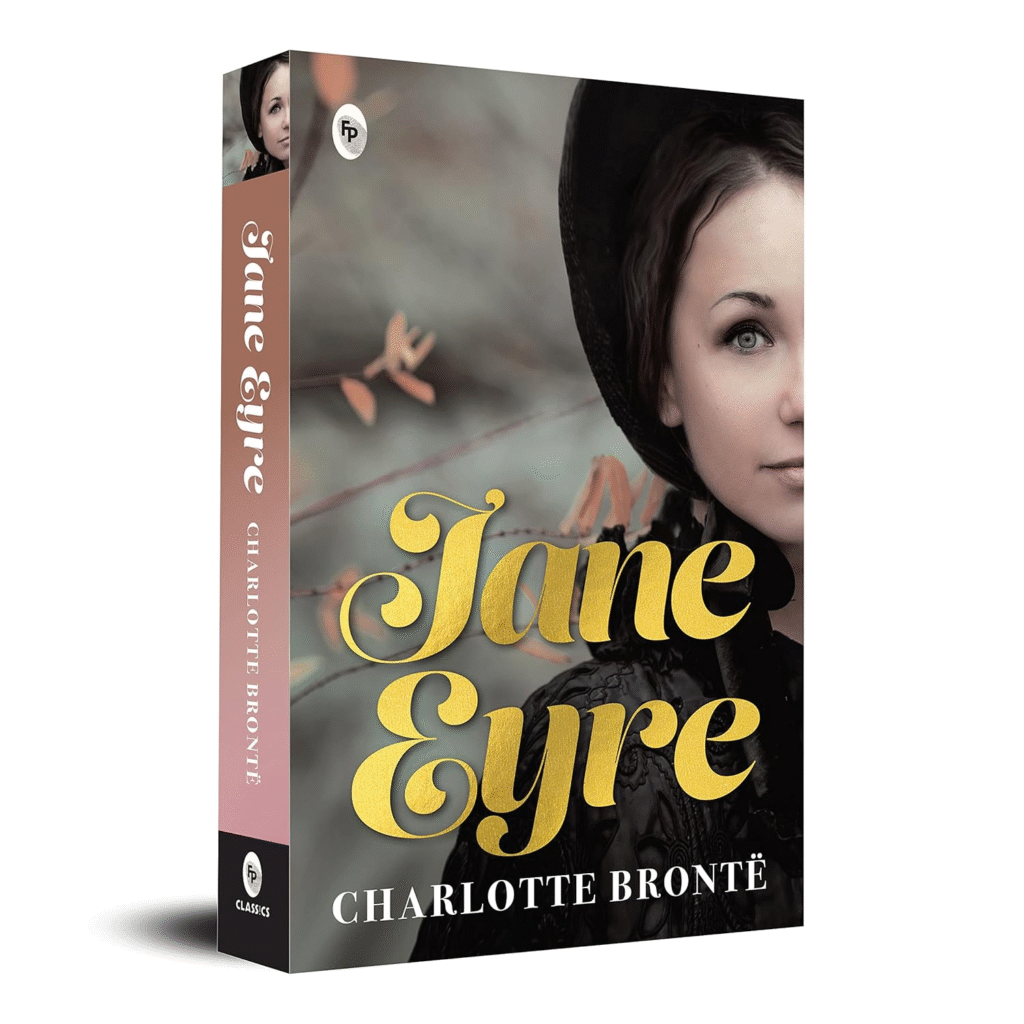
Jane Eyre, one of the greatest classic books of all time, reminds us how much emotion can live beneath quiet scenes. It stands firmly among Gothic novels, but it does not rely on spectacle. The Victorian atmosphere creates a gentle suspense that follows Jane through every hallway of the mansion.
Secrets move around her in ways she feels before she understands, and that slow unfolding shapes the entire narrative.
- The romance carries a dark glow that makes each moment feel meaningful.
- The secrets in Thornfield create the tension that pushes Jane toward change.
- The mansion’s mood supports the Gothic themes without overshadowing the characters.
What stays with me most is Jane’s strength. Her resilience does not shout. It grows right inside the fear and confusion, which is why it feels so powerful when it finally settles. Charlotte Brontë understood how to fold romance into shadow and emotional truth, and that is what keeps her among the best Gothic writers we return to.
3. Dracula by Bram Stoker
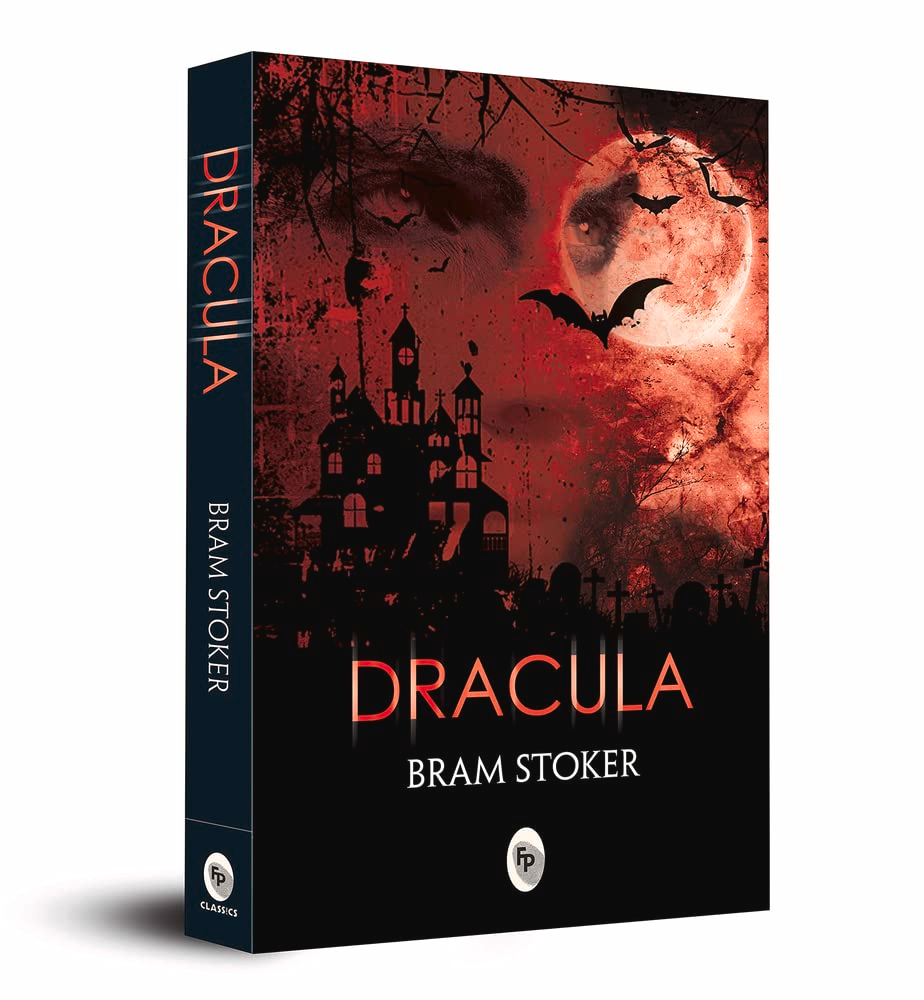
Every reread makes it clear how much Dracula influenced classic Gothic literature. It holds its place among Gothic novels that stay vivid, no matter how far back into the 19th century they reach. The fear inside it does not fade. It grows slowly, carried by small details that seem harmless at first.
The supernatural presence of the Count feels inevitable, like something that steps into the room before anyone realises it.
- The story builds fear through quiet moments instead of constant action.
- The supernatural elements come with a sense of control that makes every scene tense.
- The idea of killers who hide in plain sight makes the narrative unsettling.
What sticks with me is how the letters and fragments feel like pieces of a life scattered across a table. Bram Stoker lets you put them together yourself, and somehow that makes the world feel alive. It becomes a supernatural Gothic narrative that shows you the genre by letting you wander through it.
4. Wuthering Heights by Emily Brontë
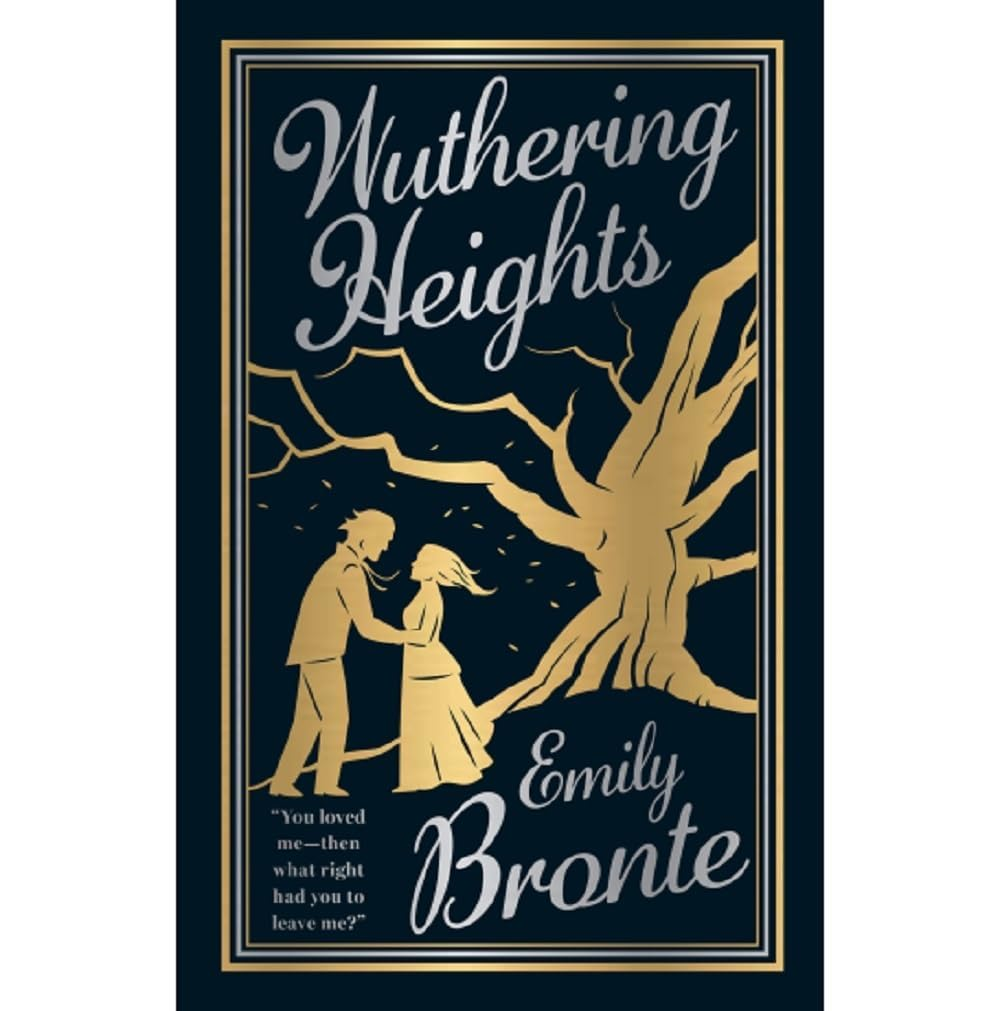
Wuthering Heights is the kind of book that makes you feel its landscape before the plot. The moors stretch in every direction like an abandoned world, and that setting holds some of the strongest Gothic literature elements I know.
The atmosphere is dark from the start, shaped by feelings that spill over the edges of every relationship. The fear in this novel does not come from the supernatural. It comes from emotions so intense that they feel almost dangerous.
- The romance is tangled and haunting, which adds heavy tension to the story.
- The dark setting mirrors the characters, especially when their choices unravel.
- The abandoned moors make each moment feel exposed and unpredictable.
Emily Brontë stands among the famous Gothic authors because she created emotional chaos with honesty. The story and the quotes from Wuthering Heights feel like a storm that never fully passes, which is why it still carries so much power.
5. The Turn of the Screw by Henry James
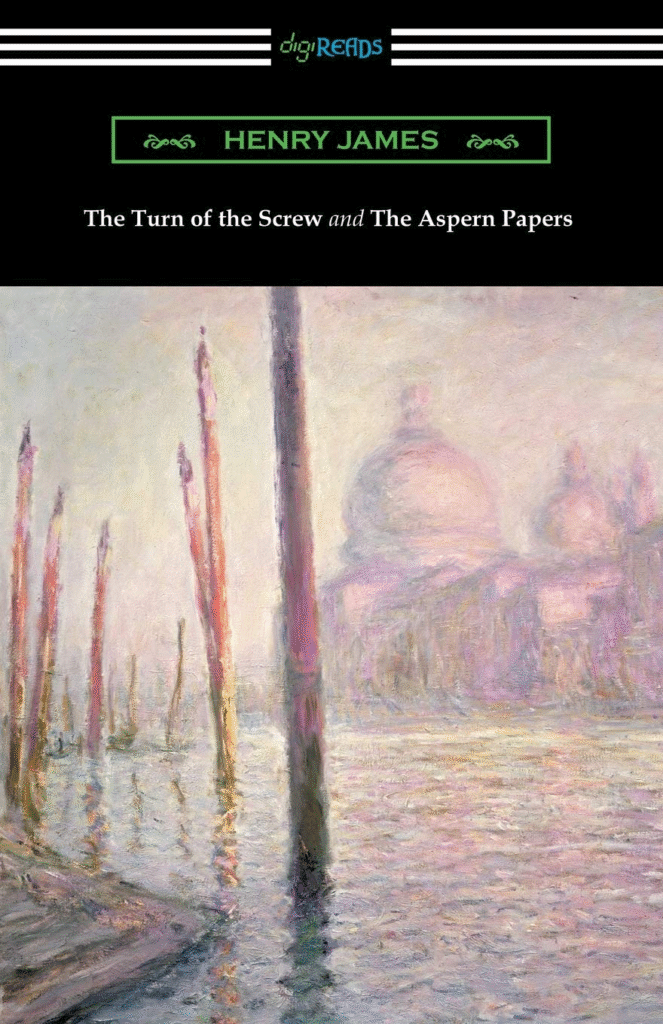
The Turn of the Screw can make you second-guess every scene. It stands out among Gothic texts because it never tells you what to believe. The meaning of Gothic fiction becomes clearer here, only because the story refuses to settle.
The mystery wraps around every action, and the supernatural hints feel both obvious and impossible at the same time. I end up doubting my own reading even when I know exactly what is on the page.
- The mystery deepens through silence rather than clues.
- The supernatural moments sit right on the edge of what feels real.
- The secrets between the characters shape the entire mood.
Henry James understood how fear can grow without any visible event. The ambiguity makes the haunting stronger. The story shifts into a psychological puzzle, and the tension inside it keeps the whole thing alive long after the final page.
RELATED READING: 9 Comedy Horror Books To Tickle Your Bones
6. Rebecca by Daphne du Maurier
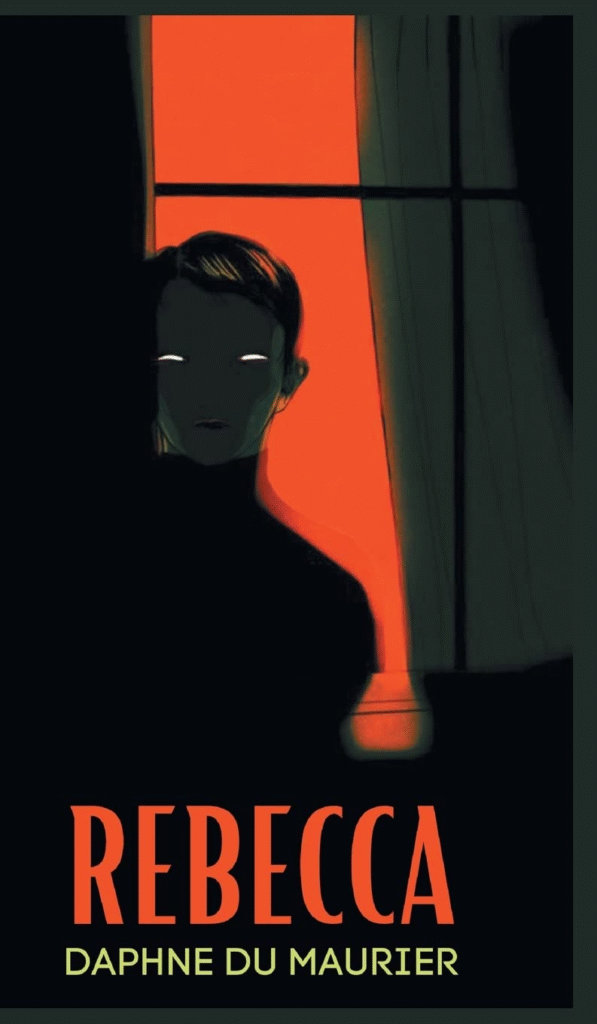
Whenever I look back on modern Gothic novels, Rebecca is the book that surfaces first. It’s haunting works through memory, not through anything hiding in the walls, which makes it feel even more intimate. The coastal mansion becomes a place where the past refuses to stay still, and the fear comes from how the narrator slowly realises what she has stepped into.
The secrets in each room feel delicate at first, then heavier as the truth starts to settle over her.
- The mansion controls the tone as much as any character on the page.
- The secrets buried within it press down on the story’s emotional core.
- The fear grows with such patience that you barely register it at first.
Daphne du Maurier is counted among the famous female Gothic writers because she captured how identity can bend under memory’s weight. She turned that memory into a shadow that trails the narrator even when she believes the danger is past.
7. We Have Always Lived in the Castle by Shirley Jackson
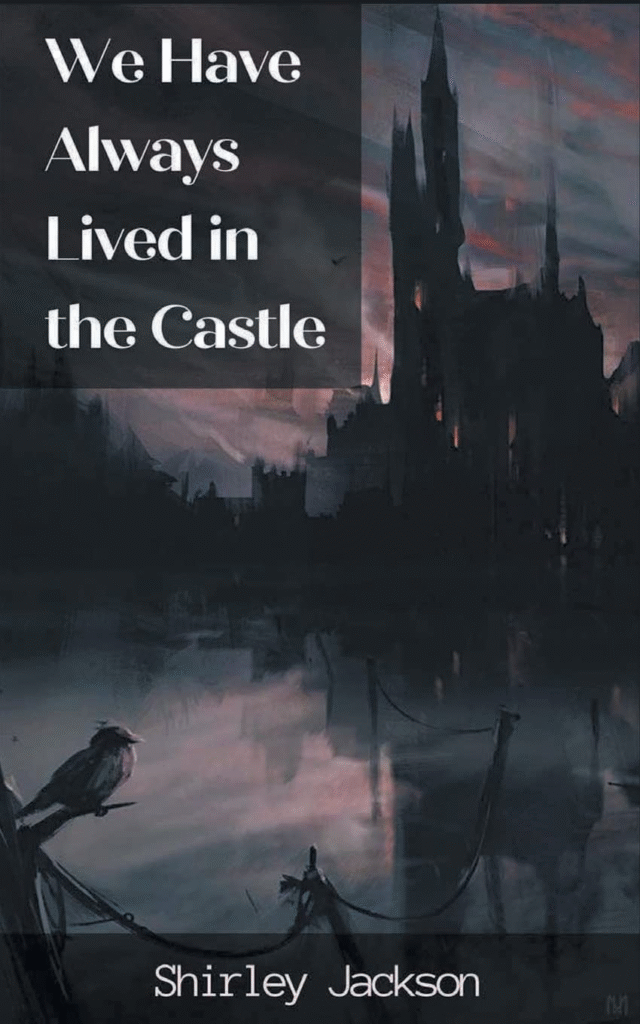
We Have Always Lived in the Castle unsettles me in a way few contemporary Gothic books manage. The setting feels small but charged, as if every room is holding a secret that might suddenly shift. Darkness does not come from monsters.
It comes from the family’s history and the way the town watches them. The mystery unfolds through gestures and absences, and the idea of killers never fully leaves the background.
- The dark tone grows from the tension between the sisters and their world.
- The mystery becomes stronger the less anyone explains.
- The isolation wraps the house in a strange, suffocating calm.
Shirley Jackson proves why she is counted among the best Gothic writers. She builds fear through psychology rather than spectacle, and she understands that the quietest stories can sometimes feel the most dangerous. The result is a novel that stays with me in a slow, lasting way.
8. Interview with the Vampire by Anne Rice
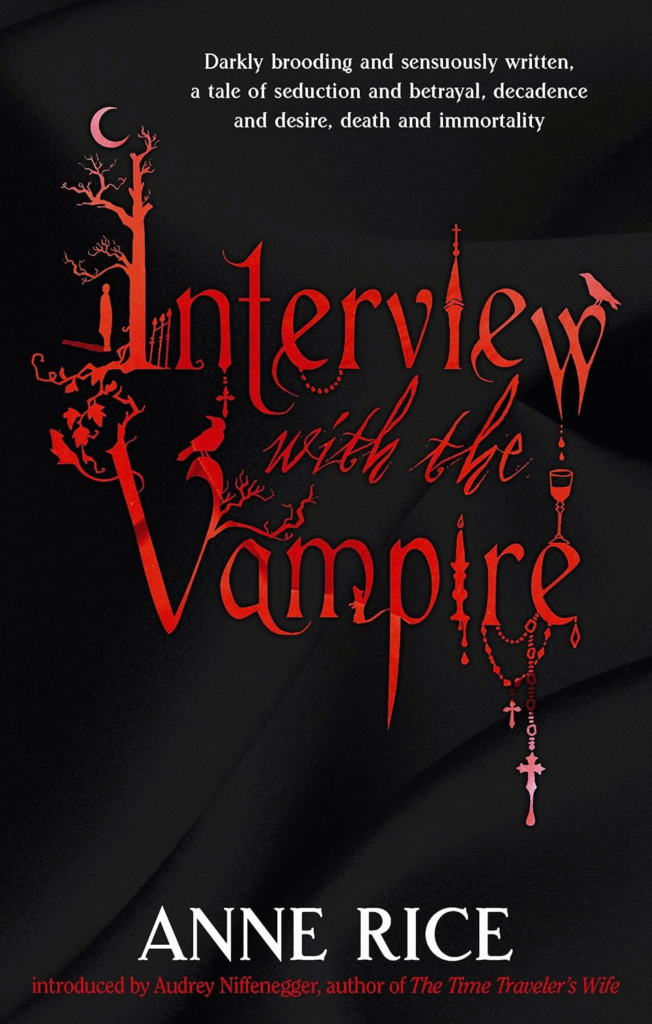
Interview with the Vampire is a YA horror book that feels like stepping into a quiet, dimly lit confession. It belongs to modern Gothic novels, but its emotional scale feels ancient. The supernatural does not hide in corners. It sits beside the characters and asks questions no mortal life would ever consider.
The romance is tangled and restless, shaped by longing that lasts longer than any human lifetime. The fear is not only about danger. It is about the cost of desire, memory, and eternal life.
- The supernatural elements feel grounded, almost intimate.
- The romance burns slowly, shaped by loneliness and fascination.
- The fear grows from immortality rather than simple threats.
Anne Rice holds her place among famous Gothic authors because she pushed the vampire tale into new emotional territory. She blended beauty with dread in a way that makes her world feel elegant on top and bruised just below it. That mix is what stays with me long after reading.
9. Mexican Gothic by Silvia Moreno-Garcia
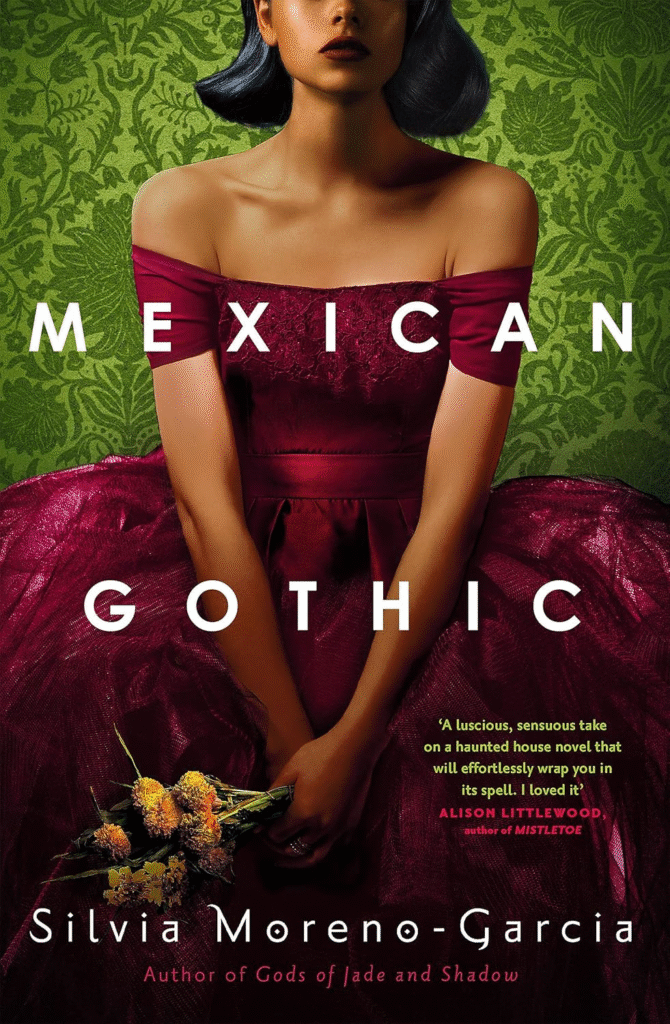
Mexican Gothic feels like watching old Gothic bones wake up inside a 21st-century body. It fits neatly within contemporary Gothic books, yet it stands out because of how boldly it moves.
The mansion comes across as oppressive as soon as it enters the story, and the secrets buried in its walls push every decision forward. The horror works because it grows from the characters themselves, not from dramatic tricks, which gives each moment more impact.
What stays with me most is the feminist thread that shifts the familiar tropes into something new.
- The mansion tightens the story with its strange, suffocating presence.
- The secrets deepen the emotional and physical tension.
- The horror feels organic here, shaped by the world around the characters at every turn.
Silvia Moreno-Garcia holds her place within modern Gothic novels and connects in a loose way to southern Gothic contemporaries as well. She created a revival that feels daring and respectful at once.
10. The Haunting of Hill House by Shirley Jackson
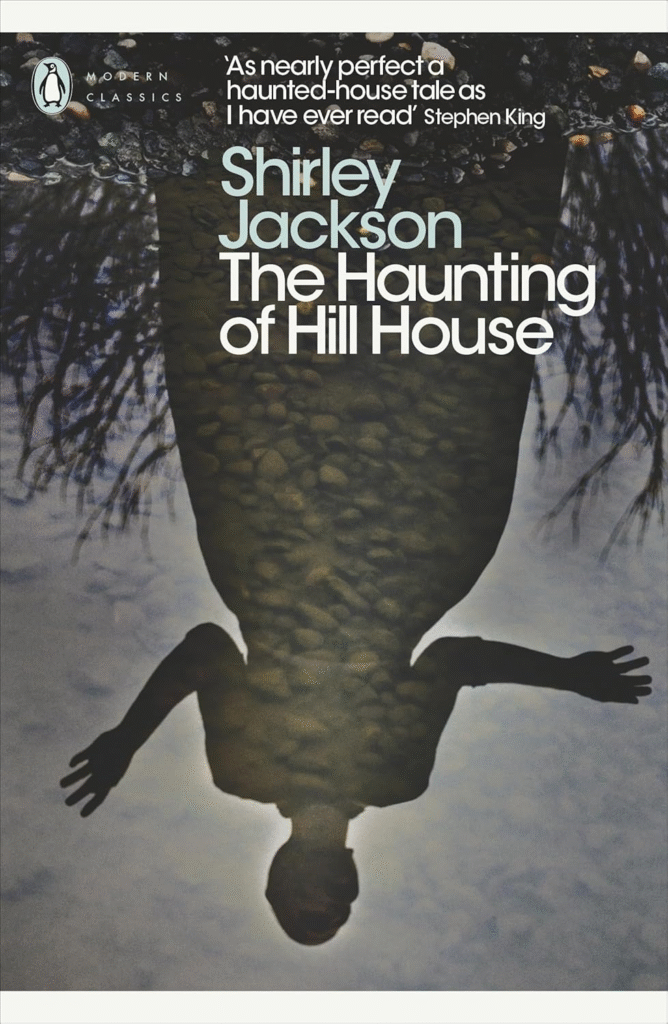
The Haunting of Hill House can make you feel like stepping into a space that watches you back. Among the works in Gothic literature, it stands out for how quietly it builds its fear. The supernatural appears in small movements, soft sounds, or nothing at all, which somehow feels worse.
The mystery of the house grows with every chapter, and the dark fear follows the characters even when nothing visible happens. Hill House becomes a presence rather than a place.
- The supernatural hints feel sharper because they are never explained.
- The mystery deepens through the unstable relationships between the characters.
- The dark fear settles in slowly, almost like a mood you cannot shake.
Shirley Jackson shows why she remains one of the best Gothic writers. She understood that a haunted house does not need spectacle. It needs tension, loneliness, and the sense that something unseen has already chosen its next move.
Conclusion
The more I read within the Gothic genre, the more I see how naturally it reinvents itself. I think that is part of its popularity, because the genre keeps adjusting to whatever people fear or hope for at the time. Gothic literature has never belonged to one moment. It survives because it mixes emotional honesty with fear that works on a symbolic level.
Gothic novels carry that weight, no matter how old they are. Modern Gothic novels add new questions and different kinds of unease, but the core remains the same. That is what keeps the dark literature genre moving. If you move between the early works and the contemporary reimaginings, you will notice how certain stories stay with you for reasons that are not always clear at first.
FAQs
1. Who wrote the first Gothic novel?
Readers generally trace it back to Horace Walpole’s The Castle of Otranto, published in 1764. It shaped the structure that other writers picked up and carried forward.
2. Who are famous female Gothic writers?
Mary Shelley and Anne Radcliffe are the early names. Shirley Jackson and Daphne du Maurier shaped entire generations of readers. More recently, Octavia Butler and Silvia Moreno-Garcia have been talked about as famous Gothic authors and even some of the best Gothic writers in a modern sense.
3. Why are Gothic novels timeless?
The evolution of Gothic literature never really stops. The Gothic literature elements, like secrecy, emotional pressure, and psychological tension, match whatever people are already worried about. The themes shift with time.
4. How popular is Gothic literature in 2026?
It is having a noticeable moment in 2026. Modern Gothic novels and contemporary Gothic books keep appearing across streaming recommendations, BookTok conversations, horror communities, and the ongoing dark academia trend.